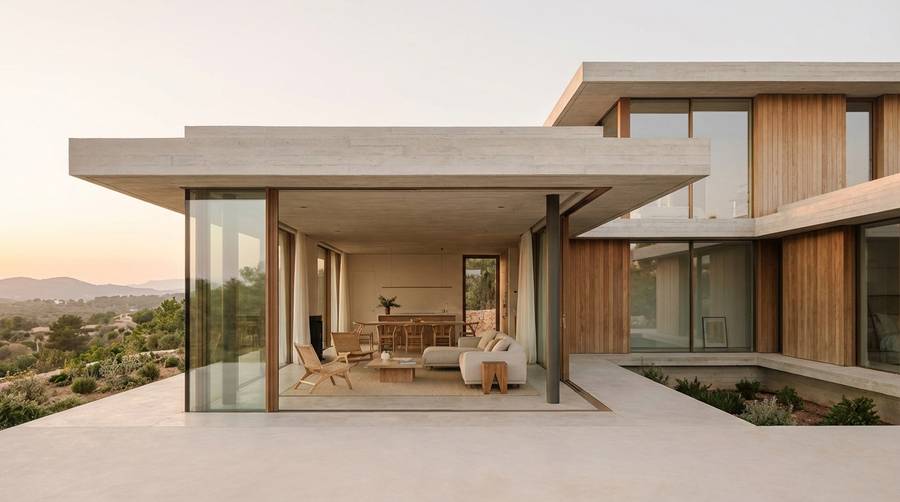
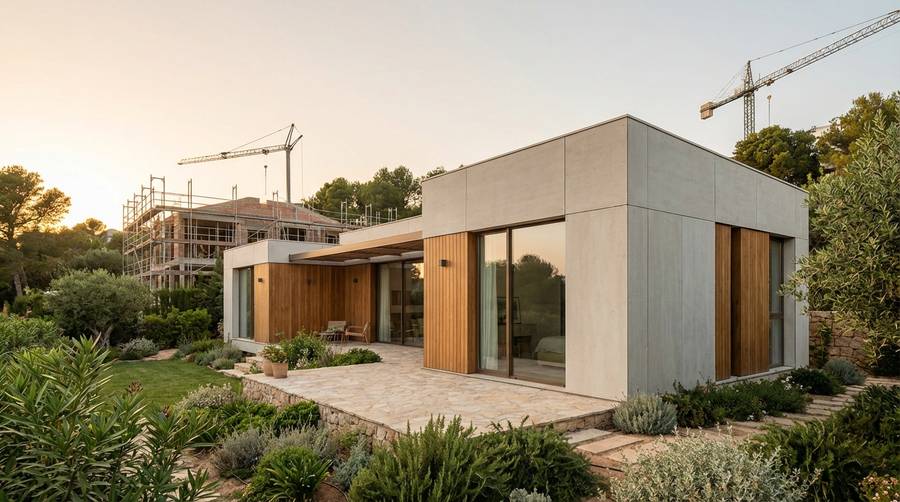
Industrialized Housing Mistakes and Practical Fixes
Expectations when choosing a turnkey model: initial mistakes and how to fix them
A client once assumed “fixed price” meant no surprises — and signed before checking inclusions. Two months later they faced a five‑figure bill for underground utilities. That situation is common, avoidable, and fully within your control.
Confusing closed cost with final price: what’s actually included and how to verify it
What to do:
- Request a detailed scope of works that lists every deliverable: foundations, site preparation, connections, permits, finishes, landscaping, taxes and utility hookups.
- Use a clause checklist: items that must appear in contract appendices — exclusions, provisional sums, escalation formulae, currency of cost estimates and approval process for change orders.
- Ask for supplier lists and subcontracts for critical trades (foundations, envelope, mechanical systems) to audit assumed prices against local market rates.
- Insist on an allowances table for finishes. If tiles, appliances or fittings aren’t fixed, a realistic allowance prevents late disputes.
Underestimating timelines: milestone planning and contractual safeguards against delays
Practical steps:
- Break the project into measurable milestones: design freeze, factory start, factory completion, transport, on‑site installation, commissioning and handover.
- Negotiate liquidated damages and clear acceptance tests for each milestone to align incentives.
- Include contingency weeks for weather, permit reviews and logistics — typically 10–15% of the assembly schedule for rural parcels.
- Request a critical path schedule from the supplier and weekly progress reports during the factory and installation phases.
Failing to define finishes and energy level (Passivhaus): a practical checklist to decide
Decision checklist:
- Thermal target: Passive, near‑passive or standard? Define U‑values and target infiltration rates.
- Window specs: glazing type, frame thermal breaks and installation details — these drive performance and cost.
- Ventilation system: demand controlled mechanical ventilation with heat recovery (MVHR) influences layout and budget.
- Finishes register: exterior cladding, interior flooring, sanitaryware — lock these before factory production starts to avoid late change orders.
Early specification saves money: a locked finish and performance brief before factory production reduces change costs by up to 40% compared with late decisions.
Common plot selection errors and how to solve them
Choosing the right parcel is as important as selecting the supplier. A good plot makes the rest easier.
Ignoring planning constraints and geotechnical issues: fast checks you must run
Before committing, perform these rapid checks:
- Request the local urban plan (PGOU) excerpt and check maximum buildability, setbacks and permitted uses.
- Commission a basic geotechnical reconnaissance (level I) to flag slopes, water table and rock; avoid surprises on foundation type and cost.
- Confirm easements and servitudes with the land registry and town hall — they can limit where a factory‑built module can sit.
Not evaluating access and services (sewer, energy): integration solutions and cost estimates
Mitigation actions:
- Map nearest utility connection points and get written quotes from utility companies for connection works.
- Plan access for heavy transport: check road width, turning radii and bridge load limits — a refused delivery adds big cost and delay.
- Consider shared solutions: if municipal sewer is distant, evaluate small decentralized wastewater systems with cost comparisons.
Underestimating orientation and microclimate: optimizing energy from the site
Optimisation tips:
- Orient the main living spaces to the south‑east/south to maximise solar gains without overheating.
- Use simple shading strategies for west facades and specify high‑performance glazing for large windows.
- Model basic solar exposure and wind patterns — even simple sun path sketches inform window placement and PV yield.
Planning and design mistakes that increase cost or delay work (and how to avoid them)
Errors in the design phase are the most expensive. Fixes are procedural and fast to implement when you know them.
Late changes to layout or size: decision protocols to avoid overruns
Implement a disciplined change control:
- Set a formal design freeze date tied to the factory production start.
- Any requested change after freeze triggers a written change request with cost and time impact estimates — then you approve or reject formally.
- Use short approval windows (48–72 hours) during critical phases to prevent cascading delays.
Design not adapted for industrialized production: keys for a factory‑friendly project
Design alignment:
- Standardise module sizes and elements where possible to reduce bespoke work.
- Coordinate openings (doors, windows, service penetrations) with factory templates.
- Keep complex joins and site‑dependent details to a minimum — reserve these for on‑site secondary works.
Lack of integration between architecture and energy systems: checklist for Passivhaus readiness
Ensure the project includes:
- Early HVAC sizing and MVHR routing in the architectural model.
- Envelope continuity details to prevent thermal bridges at module connections.
- Performance verification milestones: factory airtightness testing and on‑site commissioning.
Material and construction system issues — reliable alternatives and controls
Choosing materials by headline price often hides lifecycle costs. Compare true value across options.
Choosing by price without lifecycle evaluation: compare industrialized concrete, timber frame and steel frame
Comparison approach:
- Industrialized concrete: excellent durability, thermal mass benefits; higher initial embodied carbon unless offset by longevity and optimisation.
- Light timber frame: low embodied carbon, fast production and good thermal performance; requires meticulous moisture control and detailing.
- Steel frame (steel frame): high precision and strength, predictable tolerances; watch thermal bridging and corrosion protection.
How to choose: score systems on durability, embodied carbon, fire performance, cost of finishes and compatibility with Passivhaus detailing. Use a simple matrix to compare trade‑offs rather than single metric decisions.
Surprises in finish or insulation quality: factory controls and on‑site reception
Quality assurance steps:
- Request factory QA reports and sample panels before full production.
- Plan a factory visit at mid‑production to inspect joinery, insulation continuity and service penetrations.
- Prepare a rigorous handover checklist for on‑site reception that includes thermal imaging and airtightness testing where relevant.
Not planning sustainability and carbon footprint: ways to reduce impact and improve certification
Actionable measures:
- Specify low‑carbon materials and request EPDs (Environmental Product Declarations) for major elements.
- Prioritise timber and optimised concrete mixes, and use recycled content where possible.
- Combine active systems (PV + battery + efficient HVAC) with passive measures to reduce operational carbon; document predicted annual kWh and CO2 savings.
Financing, permits and administrative mistakes: practical solutions
Financial and administrative missteps are predictable — and preventable with a checklist and the right banking conversation.
Overlooking self‑build mortgages: types, requirements and negotiation tips
Key points:
- Explore mortgages for self‑promotion (hipoteca para autopromoción) that release funds per milestone rather than a single drawdown.
- Prepare a professional dossier: fixed‑price contract, schedule of works, insurer and producer credentials — banks need certainty on risk controls.
- Negotiate margins and interest reserve: banks often require a contingency buffer (5–10%) within the funding structure.
Delays from incomplete permits and paperwork: step‑by‑step administrative checklist
Administrative musts:
- Collect planning permits, building license, utility connection permits and road use approvals before factory dispatch.
- Assign a dedicated permit coordinator (or use your turnkey supplier’s admin team) with a documented timeline and responsible contacts.
- Keep digital copies and a permit log with submission dates and reference numbers to resolve queries quickly.
Failing to budget for financial costs and contingencies: building a realistic reserve
Budget rules:
- Set a construction contingency (typically 5–10%) and a separate finance contingency for interest and delays (2–4 months of interest).
- Model three cashflow scenarios (optimistic, realistic, conservative) and track actuals weekly during construction.
Handover, warranties and maintenance: post‑delivery problems and corrective measures
Delivery is not the end. Good handover and maintenance preserve performance and value.
Receiving without a technical checklist: what to verify at turnkey handover
Essential handover checks:
- Airtightness and thermal performance test results.
- As‑built drawings, operation manuals and maintenance schedules for HVAC, PV and MVHR systems.
- Walk‑through punch list documented, with rectification deadlines and penalties for delays.
Poorly defined warranties and after‑sales service: clauses you must include
Insist on:
- Clear warranty durations per element (structure, envelope, finishes, mechanical) and defined remedies.
- Service level agreements for post‑handover support and response times for defects.
- Retention or escrow mechanisms to ensure rectification of outstanding issues.
Preventive maintenance and energy monitoring: keeping Passivhaus performance over time
Maintenance plan:
- Schedule annual MVHR filter changes and periodic checks on sealing and drainage.
- Install basic energy monitoring with monthly reports to detect performance drifts early.
- Keep a simple log of occupant feedback linked to maintenance tickets to spot systemic issues.
Case study snapshots and practical benchmarks
Real metrics help make choices tangible. Below are anonymised benchmarks from recent Spanish turnkey projects to guide expectations.
- Project A (timber frame, 140 m²): factory time 6 weeks; on‑site assembly 4 days; final cost within contract ±2%; client satisfaction 9/10.
- Project B (industrialized concrete, 180 m²): factory time 10 weeks; on‑site assembly 10 days; additional groundworks increased cost by 6% due to underestimated geotechnical works.
- Project C (steel frame, 120 m², Passivhaus target): integrated MVHR and monitored energy: achieved 25% lower consumption than a comparable traditional build; airtightness 0.4 ACH@50Pa.
These metrics show where risk concentrates: groundworks, late changes and unclear specifications.
Final recommendations: a short operational checklist
Before you sign:
- Obtain a complete scope and allowances table.
- Lock finishes and performance targets pre‑production.
- Carry out a plot due diligence (urban, geotech, access and services).
- Negotiate milestone payments tied to measurable delivery tests.
- Plan a factory visit and require QA documentation.
- Secure a financing structure that matches milestones and includes contingencies.
If you want a practical template to manage milestones and a handover checklist, see our guide Vivienda industrializada: guía llave en mano 2026 and the deeper article on avoiding pitfalls in turnkey models Vivienda industrializada llave en mano: errores y soluciones.
Closing thought: industrialized housing offers predictable schedules, improved quality and energy performance — but only when contracts, site checks and design are disciplined from day one. Start with a clear brief, verify the plot, lock finishes and require measurable milestones. Those steps remove the most common surprises.
Ready to move forward? Review your contract against the checklist above and schedule a short technical audit to protect budget and timeline — small upfront effort avoids large downstream cost.