Industrialized housing finance: common mistakes & fixes
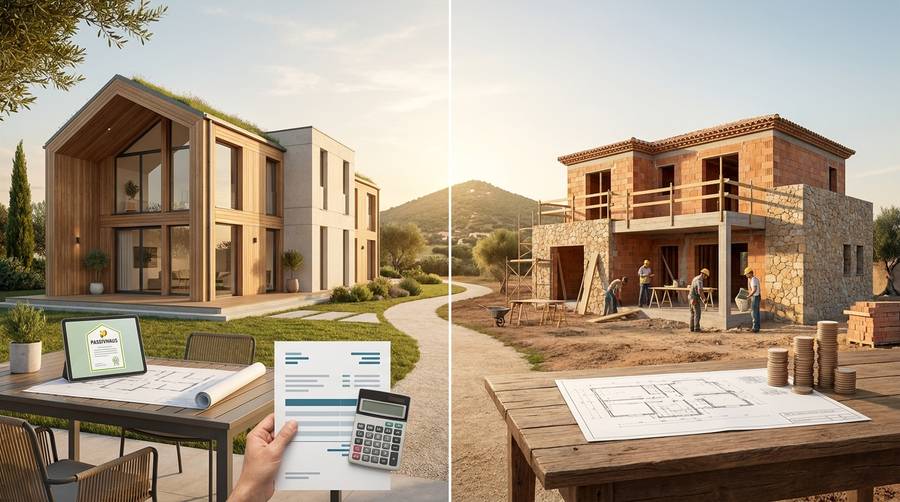
Imagine signing a fixed-price contract for a turnkey modular home only to discover months later that permits, connections and staging fees will double your cash outlay. This is a recurring scenario for many autopromoters in Spain. The gap between expectations and reality on financing industrialized housing often stems from predictable errors—errors you can prevent.
Up to 30% of project delays and cost overruns in residential builds come from financing misunderstandings and missed contingencies—especially when the product is industrialized or modular.
Why this matters: expectations and realities when financing industrialized housing
Industrialized housing offers clear advantages—controlled build cycles, lower site risk and transparent scope. Yet financing still trips many buyers because banks and borrowers apply traditional assumptions to a different model. Recognizing where assumptions break down is the first step to protecting your budget and timeline.
Confusing catalogue price with final cost: what is and isn't included
Many manufacturers advertise a catalog price per square meter. That price typically covers the factory-built elements and onsite assembly, but often excludes:
- Parcel works and urbanization (driveways, curb cuts, sewer connection points).
- Site-specific foundations that adapt the module to soil and slope.
- Utility connections beyond the plot boundary and special tie-ins.
- Architectural extras like landscaping, terraces or bespoke facades.
Actionable step: ask for a written line-item scope that separates factory scope from on-site works and approvals before comparing finance options.
Risk of not adapting expectations to regulations and the plot
Local planning rules, topography and urbanization obligations differ across Spain. A flat parcel near urban infrastructure will have very different costs than a slope requiring retaining walls and engineered foundations.
Practical tip: commission a quick site viability report (1–2 pages) before finalizing purchase or financing terms. It saves negotiation leverage later.
Real financial advantages vs traditional construction
Industrialized housing typically delivers:
- Fixed-price factory scope — lower uncertainty in main structure cost.
- Faster enclosed stages — reduced exposure to weather delays.
- Predictable quality control and energy performance potential (useful for green mortgages).
Use these facts when negotiating loan margins and in valuing the finished asset for lending purposes.
Error 1: Choosing the wrong mortgage for self-build or modular housing
Selecting a mortgage designed for standard resale homes often causes funding gaps when used for self-build or modular projects. Lenders finance different risks depending on product.
Differences: traditional mortgage, self-builder loan, and staged construction loan
Know the product:
- Traditional mortgage: For completed homes with valuation based on comparables.
- Self-build (autopromotor) loan: Paid in stages; lender monitors progress and releases funds per milestone.
- Staged/structured loan: Combines payment tranches, often with higher oversight and sometimes higher rates.
Practical consequences: rates, guarantees and terms
Using the wrong product can mean:
- Higher interest during construction with no conversion plan.
- Requests for additional collateral if valuation is uncertain.
- Cash flow squeezes if stage payments and receipts mismatch.
Solutions: compare offers and negotiate favorable terms
Concrete actions:
- Request a written conversion path from construction loan to mortgage with fixed ceilings on conversion rates.
- Ask for an amortization start aligned with project completion to avoid early interest charges.
- Negotiate stage payment ceilings and a list of acceptable evidence (photos, certificates, completion acts) for each release.
When in doubt, get a second opinion from a mortgage broker experienced in modular projects.
Error 2: Not properly accounting for parallel costs and payment phases
Even with a clear factory price, parallel expenses and how they are paid cause the largest liquidity problems for builders.
Hidden costs: urbanization, connections, permits and technical projects
Expect additional costs such as:
- Urbanization or road access obligations imposed by the municipality.
- Engineering for foundations and stormwater runoff.
- Local taxes and inspection fees not included in the builder price.
Stage payments and protecting liquidity
Stage payments create timing risk. If the bank releases funds to the builder but not to the site contractor or the parcel seller, you can be exposed.
- Structure your cash flow forecast by month, not by milestone.
- Include a 10–15% working-capital buffer to cover unexpected permit-related works.
Practical fixes: detailed budget and protective contract clauses
Do this now:
- Insist on a detailed budget that maps each cost to a payment source (loan tranche, personal equity, subsidy).
- Add contractual clauses that withhold final payment until utility certificates and occupancy permits are issued.
- Use escrow or blocked accounts for critical payments where possible.
Error 3: Valuation and appraisal that don't reflect industrialized housing value
Appraisals using traditional comparables can undervalue industrialized homes because of unfamiliarity with factory-built quality, energy performance, and faster completion.
Why some valuers undercut industrialized housing
Common causes:
- Comparables pool dominated by masonry builds.
- Misunderstanding of long-term durability and energy savings.
- Lack of documentation proving performance (assembly reports, energy certificates).
Impact on loan amount and access to better terms
An undervaluation directly reduces the loan-to-value (LTV) the bank will offer, forcing more equity or worse rates.
Solutions: technical documentation and specialized surveyors
Defensive moves:
- Gather factory quality certificates, energy performance simulations (PHPP, if applicable) and on-site assembly reports.
- Hire a valuer experienced in industrialized housing or a certified perito who can present a reconciled valuation.
- Present lifecycle cost comparisons (energy, maintenance) to the bank to justify a higher LTV.
Error 4: Ignoring grants, subsidies and fiscal advantages
Many autopromoters overlook regional and national incentives tied to energy efficiency and new construction types, leaving money on the table.
Subsidies for energy efficiency and industrialized builds
Programs may include:
- Grants for high-efficiency envelopes (Passivhaus-related upgrades).
- Tax credits or reduced IBI assessments in some municipalities for low-carbon housing.
- EU or state co-financing for innovative housing pilots in certain regions.
Common application mistakes and how to avoid them
Errors that disqualify applicants:
- Submitting incomplete technical annexes or generic energy models.
- Applying after work starts—many grants require pre-approval.
- Misclassifying the project or installer in the application.
Strategy: combine subsidies and finance to lower effective cost
Plan the financing calendar around expected grant disbursements. If a subsidy is only paid after final certification, allocate temporary liquidity to bridge that gap rather than reducing quality to fit short-term cash needs.
Quick guide: prevention checklist and immediate actions before signing
Before you sign any contract or loan offer, complete this checklist.
Must-have documents
- Full technical project and a turnkey (llave en mano) timeline with milestone definitions.
- Detailed, line-item budget separating factory work, on-site civil works and permits.
- Bank offer clearly stating conversion mechanics and stage release evidence.
Questions to ask the bank and the builder
- To the bank: What is the conversion rate from construction loan to mortgage, and what triggers it?
- To the builder: Which parts of the scope are excluded and who manages utility tie-ins?
- Both parties: Which documentation will be accepted to certify completion of each stage?
Financial Plan B
- Secure a small contingency credit line or a bridge loan clause in your mortgage.
- Agree on contract termination and rescission conditions, and quantify penalties.
- Buy a construction/contractor default insurance if available for the project type.
Inspirational close: make informed, secure choices for your industrialized home
Avoidable finance mistakes typically come down to mismatched expectations and weak documentation. By insisting on transparent budgets, the right loan product, specialist valuations and proactive subsidy planning, you protect both your timeline and your finances.
Key takeaways
- Document everything. A clear, itemized scope and timeline converts uncertainty into negotiable facts.
- Use specialised advice. Appraisers, mortgage brokers and modular-savvy lawyers reduce surprises.
- Plan liquidity. Stage payments and grant timings must align with cash available.
Case in point: a recent turnkey industrialized delivery in Valencia closed 40% faster than comparable on-site projects and secured a green mortgage premium after providing Passivhaus simulations—proof that robust documentation yields better financing.
Ready to make your industrialized housing project finance-resilient? Start by assembling your technical dossier, requesting a site viability note and comparing at least two bespoke loan products. If you want, we can help outline the dossier checklist and recommend specialized surveyors and brokers familiar with industrialized housing in Spain. Take the next step with a concrete plan—your budget and timeline will thank you.
Related reading: Casa prefabricada vs tradicional: guía 2026 and Casa prefabricada vs tradicional: guía para decidir
Artículos relacionados