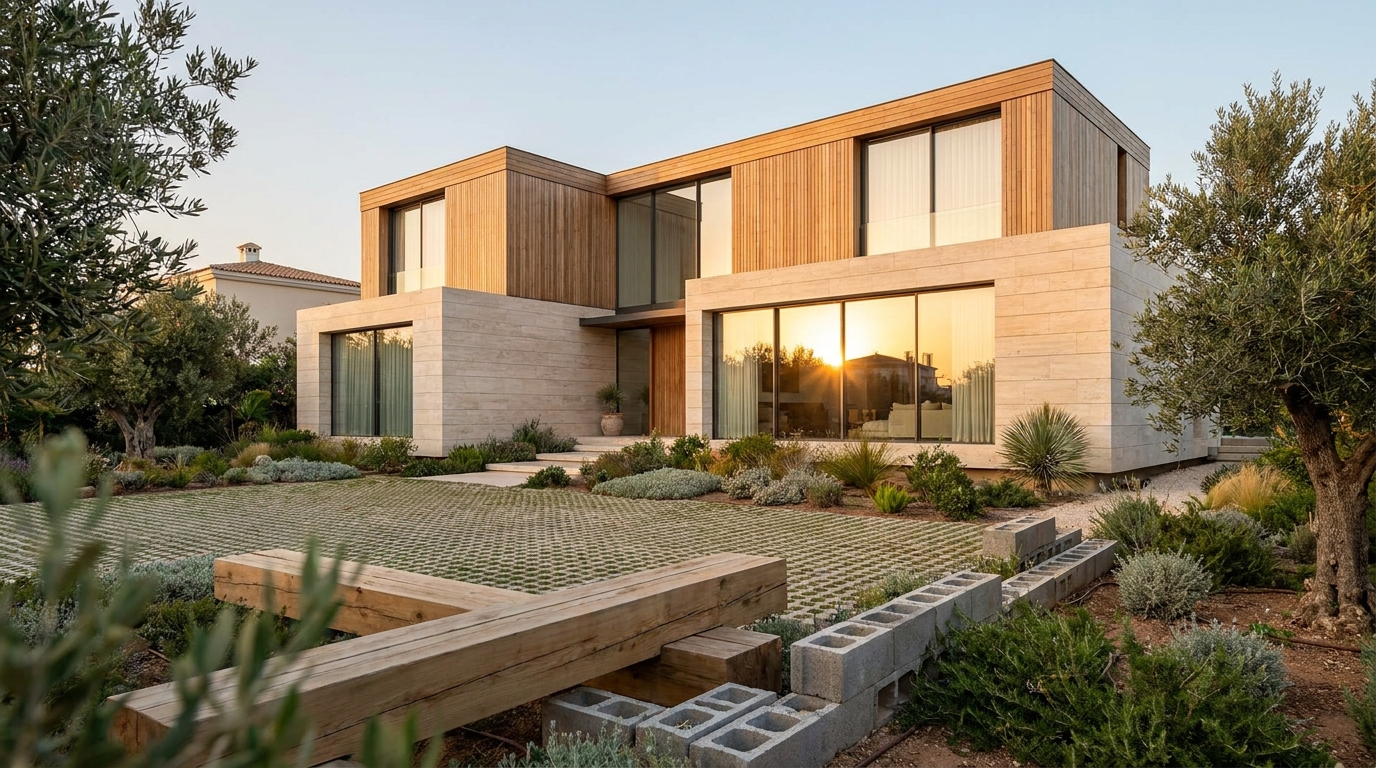
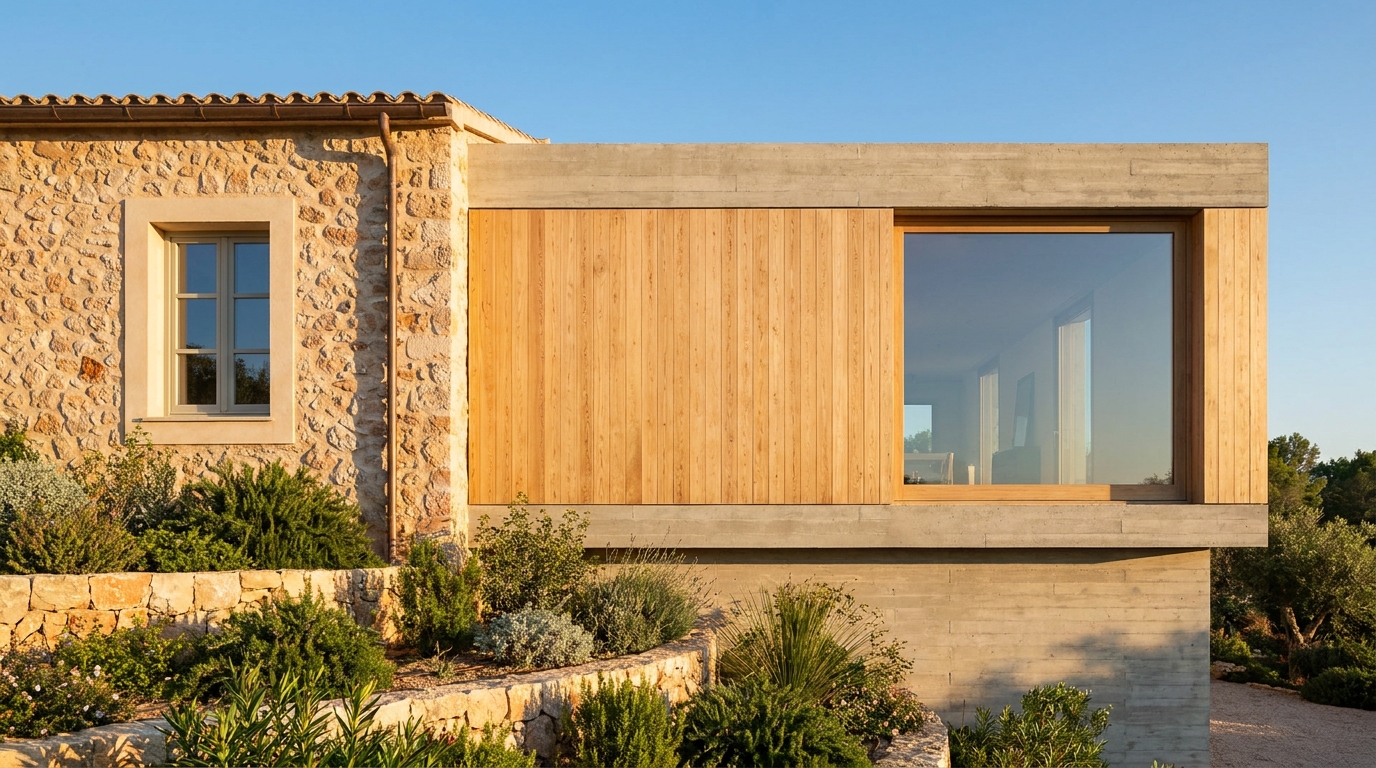
Industrialized Housing Guide: Low-Carbon Homes in Spain
Essential guide: why choose a low-carbon industrialized home
Imagine cutting construction time by months while reducing your home's carbon footprint—without sacrificing quality or design. That is the promise of modern industrialized housing in Spain when executed with low-carbon materials and a professional turnkey approach.
In this guide you will find the exact steps, technical trade-offs and real-world metrics needed to plan, build and finance a modular or industrialized home in 2026. The focus is practical: what to decide, when to decide it, and how to validate performance.
Advantages vs traditional construction: efficiency, fixed price and shorter closed-envelope times
Industrialized housing shifts risk from the plot to the factory. Key advantages:
- Predictable timelines: controlled factory production reduces weather delays and compresses on-site work to weeks for assembly.
- Fixed-price contracts: many manufacturers provide a clear scope and cost, limiting escalation common in traditional builds.
- Quality control: repeatable processes and factory testing improve thermal continuity, airtightness and finishes.
- Less disruption: shorter on-site presence reduces neighbours' nuisance and planning risk.
Reduced environmental impact: what 'low-carbon' means in practice
Low-carbon industrialized housing combines material selection, manufacturing efficiency and energy performance. Practical levers include:
- Embodied carbon reduction: choosing timber frame or low-carbon concrete mixes, optimizing sections to use less material.
- Efficient logistics: localised factories and modular sizing that fits transport constraints reduce transport emissions.
- Operational performance: airtightness, high-quality insulation and heat-recovery systems cut lifetime emissions dramatically (often >50% vs poorly insulated traditional homes).
Selecting the right combination of materials and design targets can halve a home's lifecycle carbon compared to conventional construction while delivering faster completion and better thermal comfort.
Who should use this guide: self-builders in Spain and basic requirements
This guide is aimed at autopromotores—families or individuals directly commissioning and managing their new build. Basic prerequisites:
- A plot with permitted use for single-family housing.
- A realistic budget that includes contingencies, utilities and landscape works.
- Willingness to coordinate technical stakeholders (architect, manufacturer, engineer) or appoint a project manager.
For a clear comparison of industrialized versus traditional options, see Vivienda industrializada vs tradicional: guía para autopromotores.
Low-carbon materials: options, technical pros and cons
Low-carbon industrialized concrete: properties, uses and limits
What it is: concrete mixes with supplementary cementitious materials (fly ash, blast-furnace slag), optimized aggregates and manufacturing controls.
Strengths: durability, thermal mass and fire resistance. Works well for foundations, ground floors and façades where mass is beneficial.
Constraints:
- Embodied carbon still higher than timber per kg—requires mix design and volume optimization.
- Weight increases transport and foundation costs—balance with modular design.
- Best used selectively (e.g., structural slabs, precast panels) rather than full heavy-frame solutions.
Light timber framing: structural benefits, insulation and sustainability
What it is: engineered timber panels and studs produced in factory-controlled systems (cross-laminated timber not required for every house).
Strengths: low embodied carbon, rapid assembly, excellent thermal performance when paired with dense insulations, and good seismic behaviour for low-rise housing.
Practical considerations:
- Moisture management is critical—factory precision reduces risk but detailing on-site must be rigorous.
- Airtightness strategies and mechanical ventilation with heat recovery (MVHR) unlock operational efficiency.
- Fire performance depends on design and cladding; modern regulations and testing allow safe, compliant solutions.
Steel frame with emissions optimization: when to choose it
What it is: lightweight structural steel elements produced with recycled content and optimised sectioning.
Use cases: long spans, open-plan layouts and basements where timber is less optimal. Steel is compatible with dry-panel facades and modular factory assembly.
How to reduce its impact:
- Specify high recycled content and low-embodied-energy coatings.
- Design for minimal sections and combine with renewable energy systems to offset operational carbon.
How to design an industrialized home step by step in Spain (2026)
From plot to turnkey delivery, follow a timeline with clear decision points. Below is a pragmatic roadmap and what to request from each stakeholder.
From plot to project: feasibility study and urban requirements
- Site analysis (2–4 weeks): access, topography, soil report, orientation, microclimate and utilities.
- Urban compliance: local planning rules (FOT, height, setbacks), protection statuses, and mandatory inspections.
- Feasibility report: quick cost estimate, buildability constraints and recommended construction system—essential before signing any manufacturer agreement.
Design decisions and energy targets (Passivhaus and beyond)
Set a clear energy performance target early. Typical goals and implications:
- Standard Spanish high-efficiency home: U-values and systems to meet Código Técnico de la Edificación (CTE).
- Low-energy target: airtightness of 1.0–0.6 ACH50, MVHR system, thicker insulation—adds cost but reduces operational bills.
- Passivhaus ambition: rigorous design, certified components and blower-door testing—delivers the lowest operational consumption and highest comfort.
Tip: run simple energy and daylighting models during schematic design to avoid costly late changes.
Coordinating with the manufacturer and turnkey contract: timelines, deliverables and warranties
A robust contract should include:
- Detailed scope: what is included in the turnkey price (foundations, connections, landscaping?).
- Fixed milestones and liquidated damages for delays.
- Performance guarantees: airtightness, U-values and commissioning targets.
- Warranty periods for structure, systems and finishes.
Typical timeline: design + permits (3–6 months), factory production (6–10 weeks), on-site assembly and fit-out (4–12 weeks) depending on complexity.
Construction, quality control and key metrics during the process
Manufacturing and assembly phases: typical timings and checkpoints
Breakdown of main phases with what to inspect:
- Factory production: component QA, dimensional checks and pre-installation of systems (photographic reporting is essential).
- Transport and on-site logistics: verify crane access, protection against moisture and sequencing.
- Assembly: primary structure, envelope continuity and roof waterproofing—this is where closed-envelope time matters most.
- Fit-out and commissioning: electrical, plumbing, finishes and HVAC balancing.
Performance testing: airtightness, thermography and energy certification
Minimum tests to mandate in contract:
- Blower-door test: performed at practical completion and after remediation. Targets depend on your energy goal (Passivhaus <0.6 ACH50).
- Thermographic surveys: identify thermal bridges and insulation voids during commissioning.
- Energy certification: obtain the EPC and, if targeted, Passivhaus or other third-party certificates.
Risk management and client communication: documentation and handover
Best practices:
- Maintain a digital project log with photos and test reports.
- Stage approvals: client sign-off at completion of shell, services and finishes.
- Retain a 5–10% retention until final defects are resolved, as provided in Spanish practice.
Case studies and real comparisons: timelines, costs and satisfaction
Below are anonymized, realistic examples to ground expectations.
Case A: Passivhaus coastal home (Mediterranean) — timelines and real costs
Project summary: 160 m2 single-family home, timber-panel factory, MVHR, triple glazing, low-carbon concrete slab.
- Timeline: 4 months design & permits, 8 weeks factory production, 6 weeks on-site assembly and finishes.
- Actual cost (2026, Spain): €1,900–2,400 / m2 turnkey (includes landscaping and PV system). Variance driven by finishes and terrain.
- Performance: Heating demand <15 kWh/m2·year, airtightness 0.5 ACH50, customer satisfaction score 9/10.
Case B: Family home with light timber framing — energy savings and satisfaction
Project summary: 120 m2, light timber frame, balanced ventilation, optimized envelope.
- Timeline: 3 months permits, 6 weeks production, 4 weeks assembly.
- Cost: €1,600–1,900 / m2 turnkey.
- Energy & satisfaction: 40–60% lower primary energy consumption vs comparable traditional build; post-occupancy survey rated thermal comfort and construction speed highly.
Comparative metrics vs traditional builds: clear lessons
- Time to weather-tight: industrialized 6–10 weeks; traditional 3–6 months depending on season.
- Cost certainty: tighter in factory-led projects but requires careful scope definition to avoid add-ons.
- Operational performance: industrialized homes with MVHR and good detailing consistently outperform average traditional builds in both comfort and energy bills.
Financing and permits for self-building modular homes in Spain
Mortgage options and products for self-builders: requirements and advice
Financing industrialized self-builds combines elements of construction loans and mortgages. Practical advice:
- Autopromotor mortgages: banks often release funds in tranches linked to milestones (permits, start of production, assembly, completion).
- Manufacturer-backed guarantees: include deliverables and warranties in bank submissions to reduce perceived risk.
- Tip: prepare a comprehensive dossier for the bank: plot deeds, topography, turnkey contract, manufacturer credentials and a realistic cash-flow plan.
Budgeting the entire project: direct costs, contingencies and grants
Budget line items to include:
- Plot acquisition and taxes.
- Permits and technical studies (geotechnical, structural).
- Turnkey price from manufacturer (foundation scope clarity is essential).
- Connections: water, sewer, electricity and access works.
- Landscaping and external works.
- Contingency: 7–12% recommended for industrialized projects to cover scope changes.
Documentation for final delivery and for lenders
Handover package should include:
- As-built drawings and certificates for structure, envelope and systems.
- Test reports: blower-door, commissioning certificates and energy labels.
- Warranties and maintenance manuals for equipment.
Closing the project and looking ahead: delivery, maintenance and scalability
Handover process and final checklist for the client
Final checklist highlights:
- Verify compliance documents and test reports.
- Inspect for visible defects and prepare a snagging list.
- Ensure training on systems (MVHR, heat pumps) and obtain operation manuals.
Maintenance and life expectancy of low-carbon materials: practical recommendations
Maintenance is straightforward but must be planned:
- Timber envelopes: regular inspection of seals and coatings every 3–5 years; proactive moisture control.
- Concrete and stone finishes: minimal maintenance; cleaning and sealants as required.
- Systems: MVHR filters replacement schedule, heat pump servicing every 2–3 years.
Scaling or replicating the project: models for family-scale developments
Once you validate a successful prototype, replication benefits include reduced design costs, bulk procurement and faster approvals. Consider modular kits and adaptable floorplans to balance individuality and repeatability.
Final recommendations and next steps
Decide early on your energy target, select a manufacturer with transparent turnkey deliverables, and insist on measurable guarantees. These three decisions determine cost certainty, completion time and long-term comfort.
If you are evaluating options, start with a feasibility study focused on site constraints and a shortlist of manufacturers. Ask for recent case metrics (assembly time, blower-door results, real costs) and request references.
Building a low-carbon industrialized home in Spain is achievable and cost-competitive when approached methodically. With the right decisions, you secure a comfortable, efficient home delivered in months—not years.
Ready to explore a tailored feasibility assessment for your plot? Contact a qualified manufacturer or project manager and request a transparent turnkey proposal with performance guarantees.
Artículos relacionados

Low-Carbon Industrialized Housing: 5 Materials for Spanish Self-Builders
A focused guide for Spanish self-builders comparing five low-carbon materials used in industrialized housing—concrete, timber frame, steel frame, SIPs and bio-based composites—with real metrics, finance and turnkey considerations.