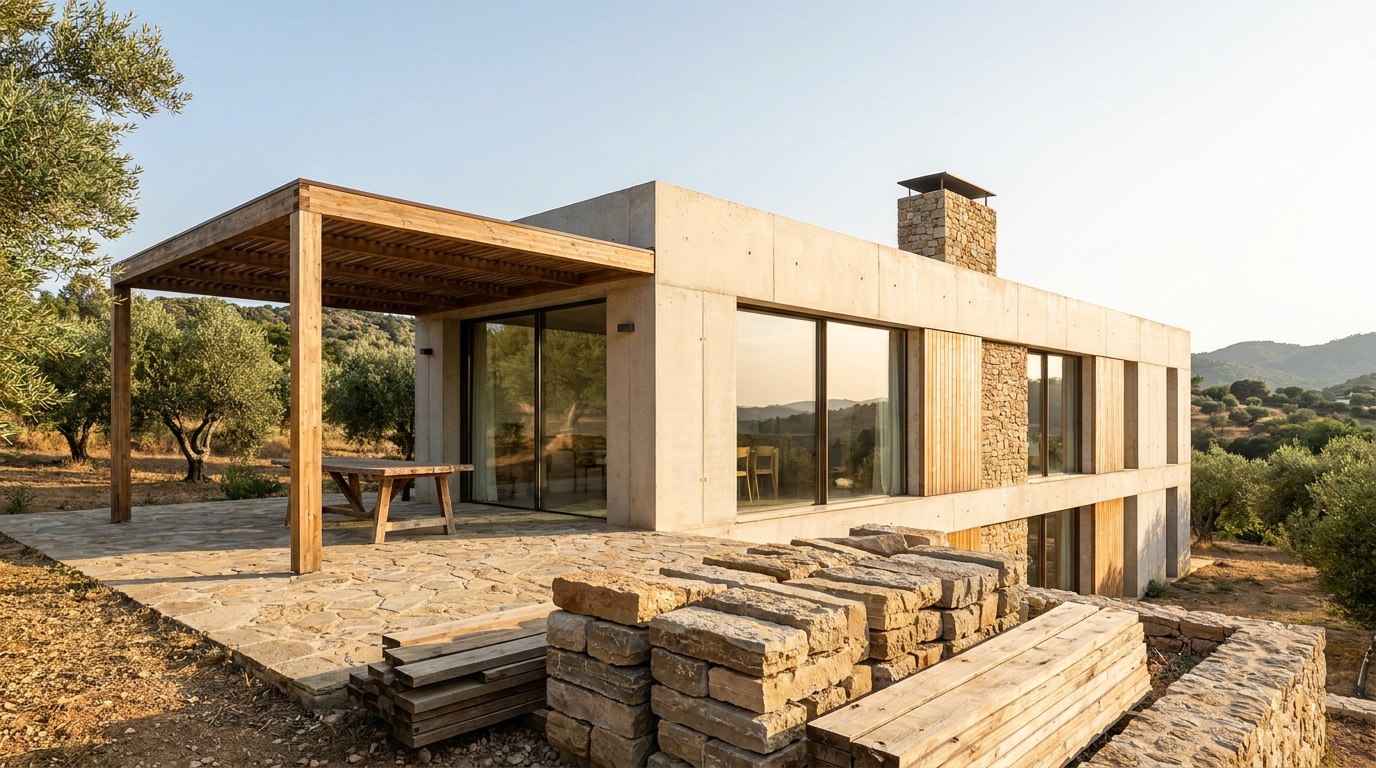
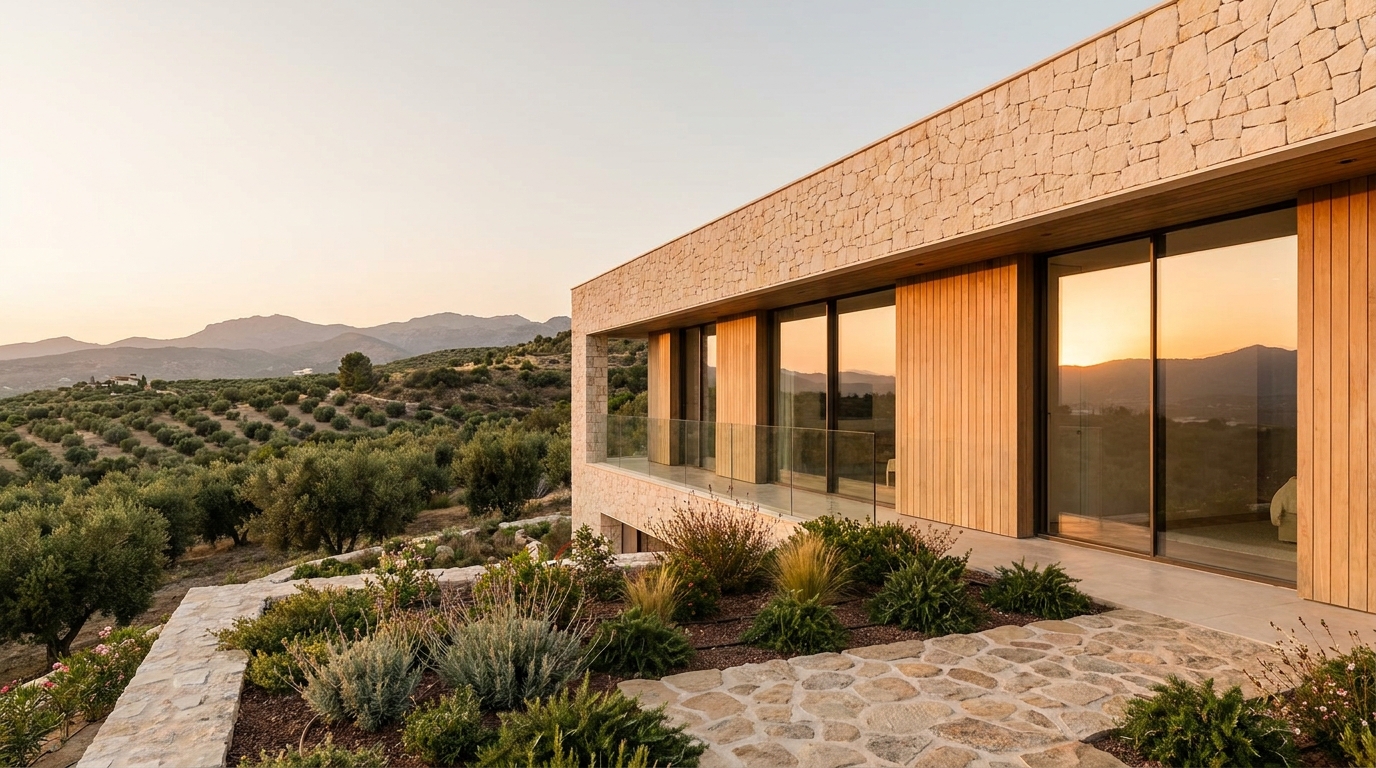
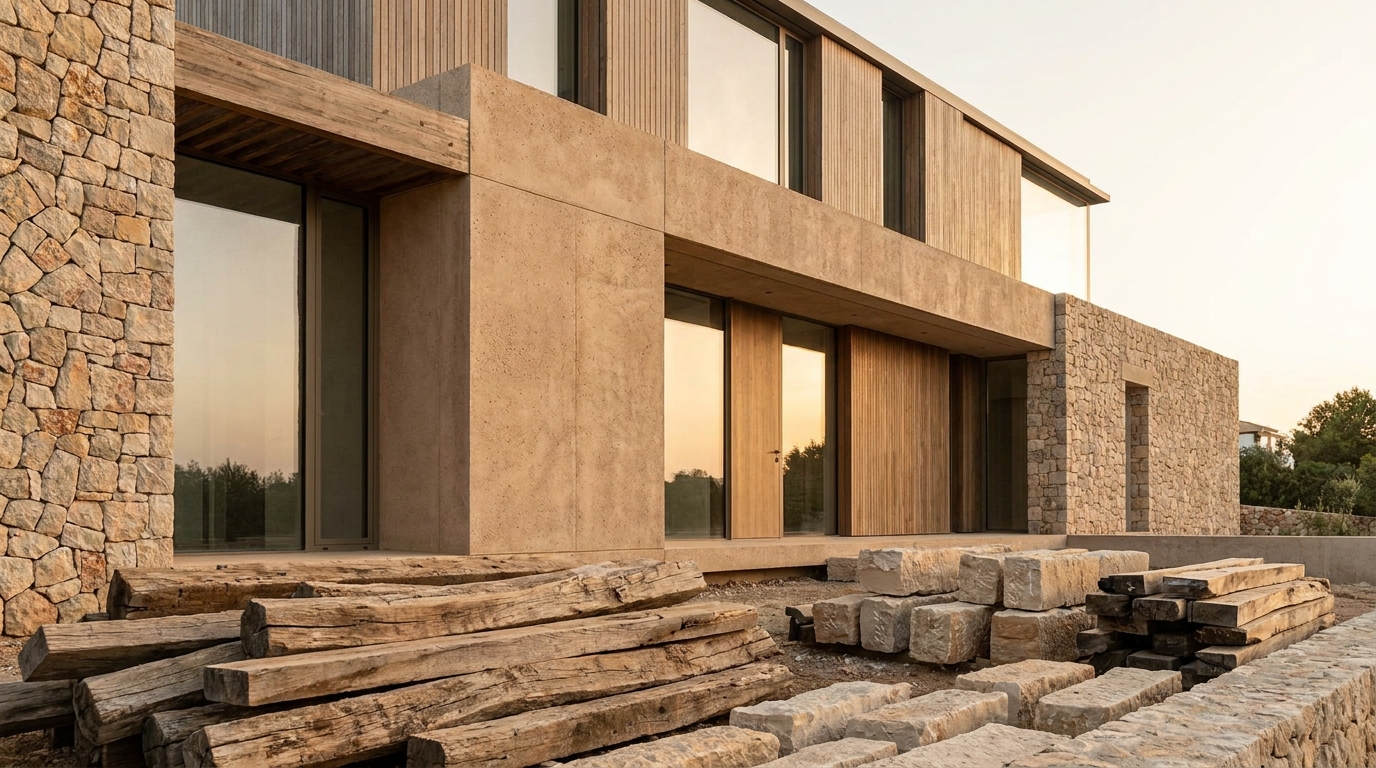
Industrialized Housing: The Future of Modular Homes in Spain
Imagine signing a fixed-price contract and moving into a high-performance home in under nine months — with detailed energy metrics and a clear timeline you can track weekly. That scenario is no longer hypothetical: it's the operational model industrialized housing is delivering today in Spain.
Panorama 2026: Why local industrialized housing is defining the near future
Market momentum is measurable, not anecdotal. Between 2021 and 2025 the share of modular and prefabricated housing starts in Spain rose from roughly 3% to 9% of detached single‑family projects in key regions (Catalonia, Valencia, Andalusia). Forecasts indicate this could reach 20% by 2030 as developers and autopromoters prioritize predictability.
Market evolution in Spain: key figures and projections
Current indicators to watch:
- Build time reduction: Factory production reduces on‑site duration by 40–60% versus traditional builds.
- Cost variance: Typical budget overruns in traditional self‑build average 18%; industrialized methods target <5% variance under fixed‑price contracts.
- Adoption curve: Regions with active local supply chains scale faster — proximity cuts logistics and accelerates permit‑to‑assembly cycles.
Motivations of autopromoters: quality, control and speed
Autopromoters choose industrialized housing mainly for three reasons:
- Quality control: Factory QA and traceable materials reduce defects and latent issues.
- Time certainty: Fixed assembly windows allow families to plan financing and life events.
- Cost transparency: Turnkey pricing avoids the typical cascade of change orders.
How industrialized housing fits the Spanish residential ecosystem
Industrialized housing complements rather than replaces traditional construction. It is particularly well suited to:
- Detached homes on suburban and peri‑urban plots.
- Small multi‑dwelling blocks with repetitive floor plates.
- Public‑private projects seeking rapid delivery and energy targets.
Data point: A controlled factory environment can reduce defect rates at handover by up to 70% compared to fully on‑site builds.
Technological and material trends dominating the next decade
Materials choice defines performance and cost — not ideology. The three dominant systems are industrialized concrete, light timber frames, and steel frame. Each brings a different balance of speed, durability and embodied carbon.
Industrialized concrete: productivity, performance and real examples
Precast and industrialized concrete modules now achieve high thermal inertia, improved airtightness and fast assembly. Example metrics from recent projects:
- Assembly speed: 1–2 weeks for envelope installation on a 150 m2 house.
- Acoustic performance: Weighted sound reduction indices (Rw) of 50–55 dB achievable with sandwich panels.
- Durability: Expected service life >80 years with targeted maintenance.
Use case: A 180 m2 house built with industrialized concrete reported a 24‑week total project timeline, with on‑site work under 3 weeks and final airtightness n50 = 0.4 h−1.
Light timber frame and steel frame: technical and cost comparison
Practical tradeoffs:
- Timber frame: Low embodied carbon, rapid factory workflows, very good thermal performance; suits Passivhaus targets but requires robust moisture detailing.
- Steel frame: High precision, excellent for longer spans and repetitive modules; slightly higher embodied carbon but often offset by thinner envelopes and reduced on‑site waste.
Cost snapshot (typical in 2025): timber frame shell costs 8–12% less than steel frame for a comparable envelope in mid‑range specifications. Decision drivers should include local supplier maturity and availability of certified timber.
Prefabrication innovations to cut schedules and defects
Key innovations to adopt:
- Digital twin workflows linking design, factory CNC and logistics.
- Panelized MEP modules pre‑tested in factory racks.
- Just‑in‑time delivery windows to minimize on‑site storage and damage.
These measures reduce mismatch errors, speed commissioning, and make fixed‑price commitments realistic.
Competitive advantages vs traditional construction: data and metrics
Industrialized housing wins where predictability matters most. Below are measurable advantages supported by recent case data.
Closed schedules and predictability: case studies with timelines
Case A — 150 m2 timber modular home (Spain, 2024):
- Design to permit: 12 weeks
- Factory production: 7 weeks
- On‑site assembly: 2 weeks
- Total: 21 weeks (vs typical 40–52 weeks traditional)
Case B — 200 m2 concrete modular home (Spain, 2025):
- Design to permit: 10 weeks
- Factory production: 9 weeks
- On‑site assembly and finishes: 3 weeks
- Total: 22 weeks with handover airtightness n50 = 0.35 h−1
Cost control and fixed price examples
Real budget examples (2025):
- 150 m2 timber turnkey: €1,700–€2,100/m2 all‑in (including local site works and landscaping) with <5% contract variance.
- 200 m2 concrete turnkey: €1,900–€2,300/m2 all‑in, noted for lower maintenance and higher acoustic performance.
Insight: The key to achieving these numbers is transparent scope boundaries and early geotechnical information; surprises in utilities or ground conditions remain the most frequent cause of cost drift.
Quality and customer satisfaction: KPIs that matter
KPIs to track and demand from suppliers:
- Handover airtightness (n50 target): <0.6 h−1 for high‑performance homes.
- Post‑handover defect rate (first 12 months): target <5 documented items per home.
- Client satisfaction (NPS): target ≥60 for turnkey modular deliveries.
Sustainability and energy efficiency: pathway to Passivhaus and low carbon
Industrialized methods offer an efficient route to high energy performance and embodied carbon reductions. The factory setting supports repeatable detailing necessary for Passivhaus levels.
Constructive strategies to reduce carbon per m2
Effective measures:
- Use of low‑carbon cement blends and recycled aggregates in industrialized concrete panels.
- Certified local structural timber to minimize transport emissions.
- Optimized envelope thicknesses enabled by better thermal bridge detailing.
Quantified target: combining timber structure with optimized insulation can reduce embodied carbon by 25–40% vs traditional masonry homes.
Certifications and real energy performance metrics
Examples of achieved outcomes:
- Passivhaus Classic achievable in single‑family modular schemes with balanced MVHR and airtightness n50 ≤ 0.6 h−1.
- Primary energy consumption reductions of 70–90% compared to pre‑2010 baseline homes when PV and heat pumps are integrated.
Local materials and proximity sourcing
Practical sourcing recommendations:
- Map suppliers within 150 km to reduce transport emissions and lead times.
- Prioritize recycled steel and certified timber for structural elements.
Small procurement choices compound across a project portfolio to deliver measurable carbon savings.
The turnkey process for autopromoters: from plot search to handover
Turnkey modular projects simplify autopromotion but require disciplined upfront work. Here is a practical roadmap you can use immediately.
Finding and evaluating a plot: pragmatic criteria
Checklist for plot viability:
- Access to mains services and verified connection costs.
- Topography: simple slopes reduce foundation complexity and cost.
- Local zoning: permissible height and footprint must match your modular plan.
- Soil report: obtain before contract; reactive clays or contamination change budgets materially.
Project phases: design, manufacture, assembly and delivery
Recommended phase gating:
- Concept & feasibility: fixed fee — deliver a budget range and basic geometry.
- Technical design & permits: freeze critical interfaces and MEP routing.
- Factory production: pre‑assembly QA checks and digital progress reporting.
- On‑site assembly & commissioning: short, scheduled window with a final snagging list.
Common risks and mitigation through contracts and QA
Top risks and simple mitigations:
- Unexpected ground conditions — require geotechnical survey as a condition precedent to final price.
- Utility connection delays — include allowance and client notifications in contract milestones.
- Scope creep — use a controlled change order process with clear cost and time impacts.
Financing and mortgage options for modular autopromotion
Access to bank financing has improved, but preparation is essential. Lenders increasingly accept factory contracts when cashflows and milestones are clear.
Financing models available in Spain (2026)
Common approaches:
- Construction loans for autopromotion — disbursed in tranches aligned to permit and assembly milestones.
- Turnkey mortgage bridging — single mortgage that converts at handover into a standard residential mortgage.
- Green mortgages — preferential rates when targets like Passivhaus or specific EPC ratings are met.
Key documents and metrics lenders request
Prepare these items early:
- Detailed turnkey contract with payment schedule.
- Certified cost breakdown and supplier credentials.
- Permits, energy model (PHPP or equivalent) and geotechnical report.
Payment structures and impact on final cost
Typical payment structure for turnkey projects:
- Deposit (5–10%) — design kick‑off.
- Factory progress (40–60%) — staged across production milestones.
- On‑site assembly and handover (remaining 20–55%).
Effect on cost: Larger upfront factory payments can lower overall price due to reduced financing of on‑site contingencies, but they require stronger liquidity from the autopromoter or a construction loan aligned to those milestones.
Visionary conclusions: how to prepare today to build the home of tomorrow
Opportunity window: The next five years are decisive. Industrialized housing is moving from early adoption to mainstream in Spain, driven by reproducible quality, time certainty and energy targets. Autopromoters who prepare will capture cost and performance advantages.
Summary of opportunities and barriers for the next 5 years
Opportunities:
- Faster delivery and reliable budgets.
- Higher probability of meeting Passivhaus and low‑carbon targets.
- Improving financing options tied to performance metrics.
Barriers:
- Site surprises and utility delays remain the main risk.
- Fragmented supply chains by region — scale matters.
- Regulatory inertia in some municipalities slows permit timelines.
Practical recommendations for autopromoters seeking quality and sustainability
Actionable steps you can take now:
- Secure a geotechnical and services report before signing for a plot.
- Ask suppliers for factory QA records and recent airtightness results.
- Insist on a milestone‑based payment schedule linked to verifiable deliverables.
- Include an energy model and PV/heat pump integration in the early budget to qualify for green finance.
Indicators to watch and upcoming sector milestones
Watch these signals to time decisions:
- Regional increases in local modular factories — closer factories reduce cost and lead time.
- Banking products tied to certified energy performance.
- Municipal pilot programs that streamline permits for modular systems.
Final thought: Industrialized housing offers a proven pathway to build better, faster and greener homes in Spain. If you're planning an autopromotion project, move the work that matters to the front: site due diligence, verified supplier credentials, and a clear energy brief. Those three moves will convert potential into predictable delivery.
Ready to evaluate a plot or compare turnkey offers? Reach out to experienced modular teams to request factory KPIs and a line‑item cost breakdown — it's the fastest way to separate promises from verifiable performance.
Artículos relacionados