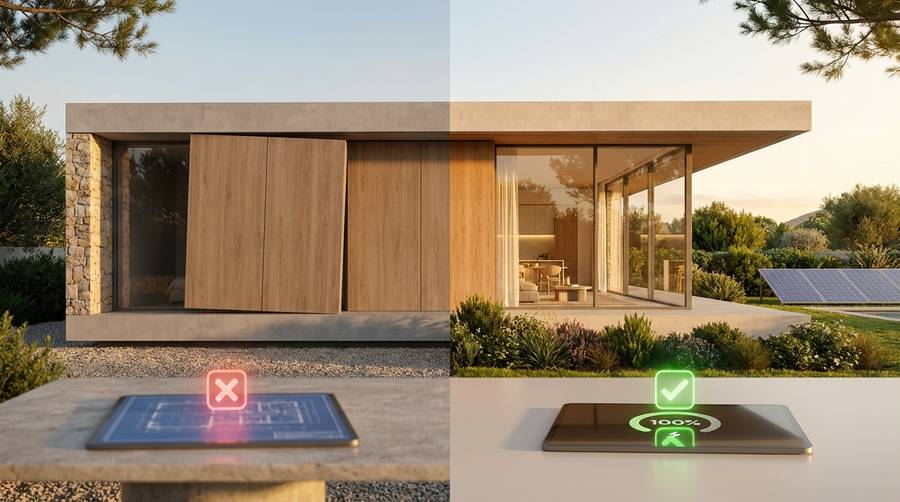
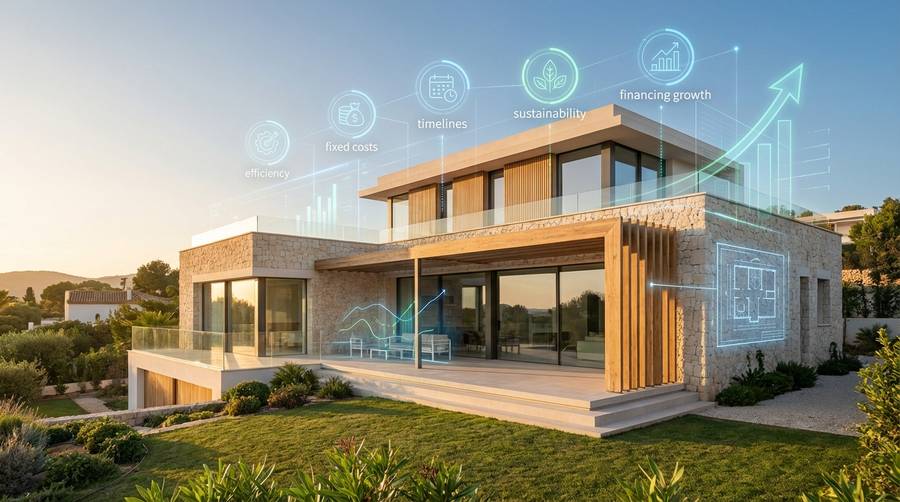
100% Loan for Modular Homes in Spain
Why choose a 100% loan for a modular home?
A 100% loan for modular home projects removes the barrier of an initial cash outlay for many self-builders. In Spain, industrialized housing is gaining weight because it pairs faster delivery with predictable costs and strong energy performance. Understanding what a full mortgage or credit facility covers helps you compare options and plan confidently.
What a 100% loan means and who can access it
A 100% loan modular home financing typically covers land purchase and construction costs or the construction element alone, depending on the bank. Some lenders offer credit lines aimed at autopromotores, combining a mortgage with staged disbursements tied to construction milestones. Eligibility often requires a clear project plan, reliable industrialized builder, and collateral such as the land or the future home.
Benefits for self-builders versus traditional house purchase
Opting for modular home financing gives autopromotores greater control. With a prefabricated home loan you keep decision power on design, materials and sustainability choices. Modular construction mortgage structures are often more flexible during the building phase than a standard mortgage for a completed property. The fixed price model of many industrialized housing offers reduces the risk of unexpected cost overruns.
Risks and considerations before signing
Even with a 100% loan modular home option, there are risks. Banks may require higher valuation standards and stricter documentation. Delays caused by permit issues or plot problems can affect disbursements. Always verify that your modular home financing includes contingencies for schedule changes and that the valuation reflects modern materials and Passivhaus improvements.
Advantages of industrialized housing compared to traditional construction
Industrialized housing is not a single method but a philosophy: production, quality control and assembly that moves much of the work out of the wet site. This approach benefits time, cost and quality when compared to on-site traditional builds.
Efficiency and tight schedule control
One of the prime advantages is time. Industrialized systems allow parallel processing: while the foundation and site works happen, modules or panels are manufactured off-site. This reduces overall build time and provides tight, predictable execution windows. For a buyer, that translates into faster occupancy and lower interim spending.
Fixed price and reduced budget surprises
Because most of the work is standardized and performed in a controlled factory environment, many suppliers offer fixed price contracts. That predictability helps when applying for a prefabricated home loan, since lenders can rely on clearer budgets and defined milestones. A modular construction mortgage often references those fixed-price contracts when approving finance.
Construction quality: modern materials and premium finishes
Industrialized housing in Spain uses high-quality materials and finishes. You can expect premium results with options like refined concrete, timber cladding or engineered wood floors. Modern systems reduce thermal bridges and improve airtightness, leading to better long-term performance than many conventional builds.
Materials and construction systems accepted by financiers
Not all banks are equally familiar with every system. Knowing which materials and systems lenders accept speeds approval and strengthens your case for a modular home financing solution.
Industrialized concrete: durability and energy performance
Precast or industrialized concrete systems deliver strength, low maintenance and great thermal mass. Banks often value concrete options because they resemble traditional masonry in longevity and resale value. When supported by efficient insulation layers, industrialized concrete projects can reach high energy performance levels.
Light timber frame and steel frame: lightness and speed
Entramado ligero de madera (light timber frame) and steel frame systems are prized for speed and reduced site disruption. They are lightweight, easy to assemble and adaptable. Financial institutions assess their durability, moisture control strategies and finishing standards. Well-documented systems with warranties and quality certifications are more likely to secure favorable financing terms.
Certifications and criteria banks look for
Lenders favor certified systems. Certificates such as structural reports, thermal performance tests and airtightness measurements increase confidence. Passivhaus or similar energy performance labels are particularly persuasive. Clear construction schedules, fixed-price contracts and factory production documentation are typical underwriting requirements for a modular home financing package.
Financing for self-development and the turnkey process
A modular turnkey or "llave en mano" approach simplifies the journey. Financing must match the delivery model so funds are available as the project advances from plot purchase to finished home.
Project phases: from plot search to handover
The turnkey process usually follows defined phases: plot acquisition, project design and permits, factory production, site foundation works, on-site assembly, finishes and final inspection. A 100% loan modular home product typically disburses funds in stages aligned with these phases. Clear milestones reduce friction when banks release payments.
Documents and milestones banks require to release funds
Banks commonly request: signed contracts with the industrialized housing provider; approved building permits; an updated budget and schedule; proof of site ownership; and staged completion certificates. For prefabricated home loan disbursements, banks may send an external assessor to verify progress before each tranche is released.
How to coordinate mortgage, industrial builder and contractor
Early coordination is key. Share the turnkey contract with your lender and confirm their disbursement process matches the builder's milestones. A collaborative schedule prevents cashflow gaps. Choose experienced industrialized housing promoters familiar with bank requirements; they frequently help autopromotores secure modular home financing faster.
Sustainability, energy efficiency and impact on mortgage terms
Sustainability is no longer optional. Energy-efficient design improves comfort, reduces running costs and can positively influence financing conditions.
Benefits of Passivhaus designs and lower carbon footprint
Passivhaus-level design reduces energy demand for heating and cooling. When combined with efficient systems and low-carbon materials, your project shows lower operational costs and a smaller carbon footprint. Lenders value these characteristics, as they can translate into long-term affordability and enhanced resale value.
Incentives, grants and improved mortgage conditions
Spain offers incentives and regional grants for energy renovations and efficient new builds. Presenting a project that achieves high efficiency can open access to green mortgages or preferential rates. Banks often consider energy certificates and expected running costs when pricing a modular construction mortgage.
How to present sustainable improvements to improve project valuation
To make sustainability count in your credit application, provide clear documentation: energy models, certifications, and estimates of annual running savings. Show the bank how Passivhaus or similar strategies reduce borrower risk. A robust sustainability package can improve loan-to-value assessments and increase the chances of getting a 100% loan modular home approval.
Practical checklist for autopromoters seeking a full loan
- Secure a plot with clear title and zoning compatibility.
- Choose an experienced industrialized housing promoter with turnkey options.
- Obtain a fixed-price contract and a phased production schedule.
- Prepare technical documentation: structural reports, energy models, airtightness strategy and warranties.
- Discuss disbursement milestones with your bank and include contingency planning.
- Explore green mortgage options and regional incentives for efficiency improvements.
- Plan for realistic timelines for permits and site preparation.
Final considerations: making modular housing work for self-builders
Industrialized housing backed by a 100% loan can be a viable route for families and autopromoters who want control, speed and predictability. Choose proven materials—industrialized concrete, light timber frame or steel frame—and document sustainability measures. Work with a turnkey industrial promoter and a financier experienced in modular projects. This collaboration reduces risk and turns a complex process into a clear path to a comfortable, energy-efficient home.
If you are planning to start, ask for a detailed turnkey proposal and a financing plan that aligns with staged deliveries. Proper planning and the right partners make modular home financing realistic and attractive for modern self-builders in Spain.