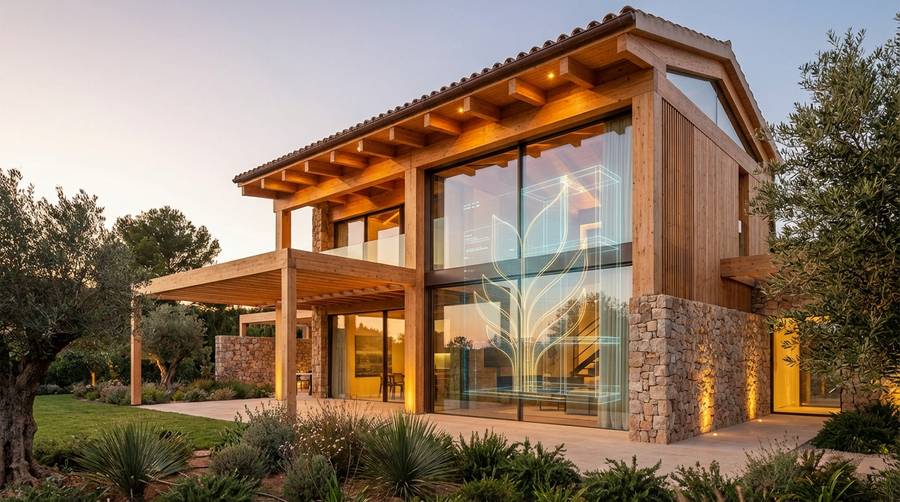
Advanced Structural Timber: Common Errors and Fixes
Advanced Structural Timber: Common Errors and Fixes
Hook: Building with advanced structural timber can cut schedules, lower carbon and boost comfort—but small mistakes early on turn advantages into costly delays. This article pinpoints the precise errors we keep seeing—and gives concrete fixes you can apply now.
Why choose advanced structural timber: benefits and risks to know
Advanced structural timber systems (engineered timber, CLT, glulam, light timber frames) are central to Spain's modern industrialized housing movement. They combine speed, predictable costs and low embodied carbon. But those benefits depend on correct design, material choice and site management.
Benefits versus traditional systems and how they affect your project
What you gain:
- Shorter on-site time: modules and panels arrive pre-cut and assembled.
- Fixed-budget advantages: factory processes lower variation in labour hours.
- Better thermal performance potential—especially when aiming for Passivhaus or near-zero energy.
How it affects decisions: early design choices influence foundations, connections with concrete elements and HVAC loads. Treat timber as a system, not an aesthetic add-on.
Most common design and execution risks (moisture, settlement, calculation errors)
These are the recurring failures we audit:
- Moisture intrusion from poorly detailed junctions or temporary exposure during transport.
- Settlement and differential movement when timber interfaces with concrete foundations without proper connectors.
- Calculation errors from using simplified loads or ignoring service penetrations in panel design.
How to foresee problems at project stage: key checks
Before committing, run this checklist:
- Confirm the project’s humidity exposure profile and specify drying protocols for factory elements.
- Request connection details between timber and concrete, including slip joints and corrosion protection.
- Ask for structural verification with actual service penetrations modelled.
Common mistakes in material selection and practical solutions
Choosing wrong species or treatments: technical criteria and alternatives
Avoid selecting timber by cost alone. Use these criteria:
- Durability class suitable for exposure—choose treated or naturally durable species where needed.
- Engineered product performance: stiffness, creep behaviour and connection strength matter more than raw density.
- Fire behaviour: specify charring rates and test reports for structural members.
Practical alternative: if budget is tight, use timber for upper floors and hybrid connections to concrete for ground-floor elements. This balances cost and durability.
Insulation failures and energy impact: practical fixes
Common faults:
- Compression of cavity insulation at studs.
- Thermal bridges at junctions with concrete or steel.
- Poor continuity of air barrier.
Fixes you can implement:
- Specify continuous external insulation where feasible.
- Design and detail thermal breaks between timber and steel/concrete connectors.
- Include an installation protocol for airtight membranes and a blower-door test threshold before finishes.
Compatibility with other systems (concrete, steel frame): avoid thermal bridges and corrosion
Hybrid projects are common. To prevent issues:
- Use isolating plates or thermal collars on connectors.
- Specify stainless or hot-dip galvanised fixings with documented durability in contact with timber and concrete.
- Detail capillary breaks and drainage planes at junctions.
Construction process problems and how to correct them
Poor on-site assembly: early detection and corrective steps
Symptoms: misaligned panels, gaps in airtight layer, missing fasteners. Corrective actions:
- Implement a rapid inspection regime: first 48 hours after erection, a certified inspector checks alignments and membrane continuity.
- Keep a snags log on-site with photographic evidence and deadlines for corrections.
- Use torque-controlled installers or provide factory-trained crews for critical connections.
Humidity control during assembly: protocols to protect the structure
Moisture during construction is the biggest threat. Protocols that work:
- Store panels off the ground, covered but ventilated.
- Define maximum allowed moisture content for elements before closing façades.
- Include temporary weatherproofing for open works and ensure drying times after rain before closing cavities.
Tolerances and prefabricated fits: verification checklist
Prefabrication reduces rework—if tolerances are managed. Verify:
- Dimensional reports from factory with as-built panel dimensions.
- On-site reference grid and level control before arrival.
- Pre-agreed remedial steps if deviations exceed tolerance band (e.g., shim strategies, splice plates).
Design errors that harm habitability
Insufficient ventilation and hygrothermal control: passive and active strategies
Symptoms include condensation on windows and poor indoor air quality. Solutions:
- Design for balanced mechanical ventilation with heat recovery (MVHR) when airtightness targets are high.
- Integrate passive strategies: cross-ventilation, controlled solar gains and humidity buffering using wood finishes.
- Include humidity sensors and commissioning of controls at handover.
Poor lighting and orientation choices: solutions for efficiency and comfort
If orientation is suboptimal, mitigate with:
- Daylighting strategies: light wells, clerestories or larger south-facing glazed areas with shading.
- High-performance glazing to limit losses while admitting daylight.
- Internal layout adjustments prioritising living spaces to the best-oriented façades.
Layout changes after construction: minimizing expensive interventions
Avoid late changes by:
- Freezing the structural grid before finishes procurement.
- Using non-load-bearing partitions for later flexibility.
- Including pre-routed service zones for potential relocations of kitchens or bathrooms.
Contracting and financing mistakes that stall projects
Contract clauses that create risk: what to watch in turnkey contracts
Common risky clauses include vague milestone definitions and ambiguous responsibility for weather delays. Watch for:
- Clear delivery milestones tied to objective measurements (e.g., envelope closed, MVHR commissioned).
- Defined defect liability periods and specific remedies for delayed corrections.
- Explicit responsibilities for storage and handling of prefabricated elements.
Financing for self-builders: mistakes when applying for a mortgage and how to avoid them
Tip: banks look for certainty in cost and timeline. Common errors:
- Submitting incomplete turnkey quotations without itemised works.
- Not demonstrating the developer/fabricator’s track record.
- Ignoring permit timelines that affect draw schedules.
How to improve approval odds:
- Provide detailed turnkey contracts and a phased draw schedule tied to inspections.
- Supply factory production plans and references from completed projects.
- Work with lenders familiar with modular housing or specialised self-build mortgage products.
Planning timelines and budgets: tools to keep your project on track
Use these practical tools:
- A Gantt chart aligned with factory production slots.
- Contingency reserves: 5–10% for technical risk, 2–5% for price volatility.
- Monthly cost-to-complete reports linked to certified inspections.
Final checks and best practices before handover
Turnkey handover technical checklist (structure, systems, finishes)
This is a minimum set of checks you must verify before signing acceptance:
- Structural line and level checks at key nodes.
- Continuity of air and vapour control layers—blower-door below agreed target.
- Plumbing and drainage tests under pressure; electrical certificate and appliance tests.
- Finish quality against agreed samples and snag list completion dates.
Energy tests and certificates (Passivhaus and efficiency): what to require
If aiming for Passivhaus or high efficiency, require:
- Energy model verification against as-built documentation.
- Blower-door test and MVHR performance report.
- Official energy performance certificate (EPC) and any voluntary Passivhaus certificate if claimed.
Documentation and warranties: securing after-sales satisfaction
Demand a single handover dossier that includes:
- Shop drawings and as-built drawings.
- Maintenance instructions and spare parts list for bespoke elements.
- Manufacturer warranties and a clear point of contact for defects.
Projects that integrate factory QA reports, on-site verification and a clear contractual schedule reduce delays and defects by over 50% compared to ad-hoc approaches.
Practical closing: lessons learned and advice for future projects
Summary of critical errors and quick fixes
Top recurring failures and immediate remedies:
- Moisture exposure — implement storage and drying protocols.
- Poor junction details — require connection details in bids.
- Unclear contract milestones — demand objective milestones tied to tests.
Recommendations for self-builders planning with structural timber
If you’re an autopromoter, follow these rules:
- Choose a fabricator with verifiable case studies and request production schedules.
- Prioritise airtightness and MVHR if you target low energy consumption.
- Work with lenders who understand modular draw schedules for smoother financing.
Resources and case studies to dig deeper (timelines, costs and satisfaction metrics)
Further reading and comparisons enhance decision-making. For an overview of modular advantages and a practical guide to prefabrication, see Casa prefabricada: ventajas y guía práctica. To explore timber-specific techniques in wellness-focused spaces, consult Madera estructural avanzada: clave en espacios modulares de bienestar. For additional real cases and metrics on timber projects in Spain, visit Madera estructural avanzada: el futuro de la vivienda industrializada.
Artículos relacionados