Modular Home Advantages: Why Choose Industrialized Housing
Why choose a modular home over traditional construction
Choosing a modular home is becoming a strategic decision for many Spanish autopromoters. Industrialized housing reduces uncertainty and delivers a high-quality, efficient home on a reliable schedule. This section explains the main advantages that make modular construction an attractive alternative to traditional building.
Efficiency and reduced timelines: fixed delivery windows
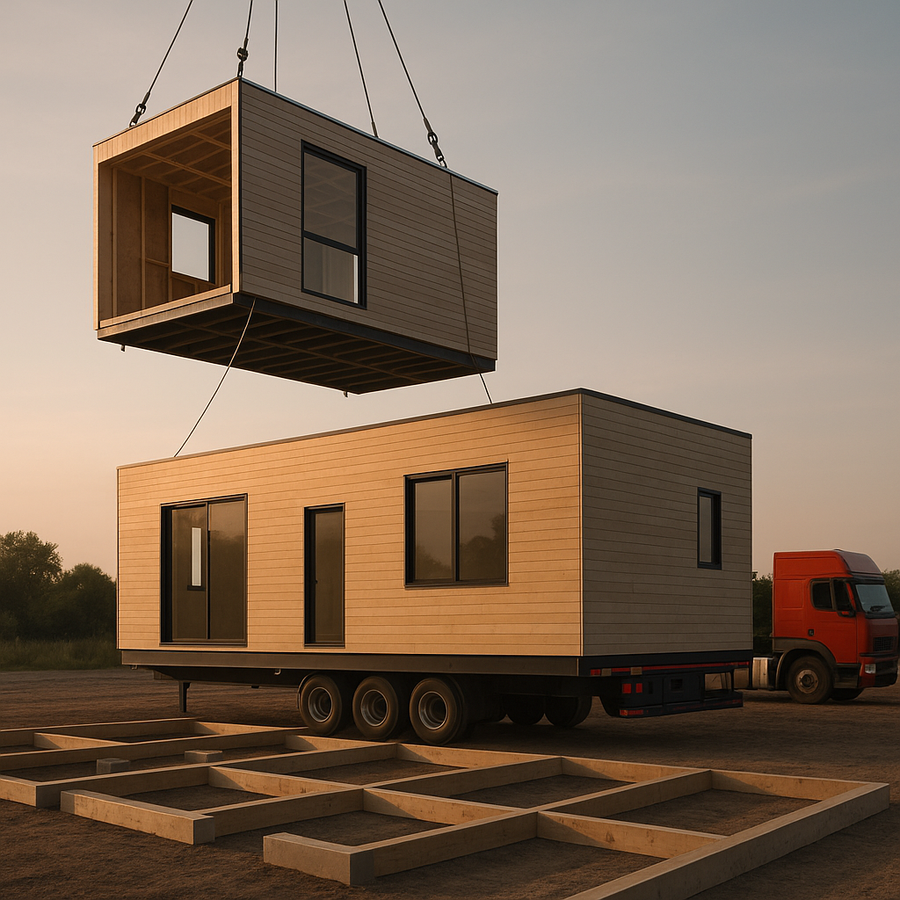
Modular construction separates on-site tasks from factory production. While foundations and permits are handled locally, the building modules are manufactured in a controlled environment. This parallel workflow shortens the total timeline.
Controlled factory conditions also avoid most weather delays. As a result, clients receive clear, fixed delivery windows. For autopromoters, that predictability means better planning and lower holding costs.
Controlled budget: fixed price and fewer surprises
A key advantage of a prefabricated house is cost transparency. Industrialized housing often uses fixed-price contracts. Standardized components, repeatable workflows and early budgeting reduce unexpected cost overruns.
Fixed pricing helps families plan financing and compare offers. With fewer scope changes and a transparent bill of quantities, the risk of budget shocks is much lower than in a bespoke traditional build.
Construction quality and durability compared
Quality control in factory production ensures repeatable standards. Industrialized processes include systematic inspections at every stage. This leads to consistent finishes, better thermal continuity and tighter tolerances than many on-site builds.
Modern modular systems can match or exceed the longevity of traditional homes when designed with durable materials and proper detailing. The end result is a reliable, long-lasting house that feels premium and comfortable.
Modern materials in the modular supply chain
Material choice defines both the aesthetic and performance of a modular home. Contemporary systems in Spain use a mix of standardized, high-performance materials that suit Mediterranean architecture and climate.
Industrialized concrete: performance and Mediterranean finish
Precast and industrialized concrete elements offer excellent thermal mass and a clean, Mediterranean finish. Concrete panels and details can be produced with precise textures and colors. They provide a natural look that blends with stone and white façades common in Spanish homes.
Concrete also helps regulate indoor temperatures when combined with insulation and smart shading. For coastal or inland sites, it contributes to comfort and durability.
Light timber framing: speed, warmth and sustainability
Light timber frame systems accelerate assembly and add natural warmth to interiors. Timber offers an excellent strength-to-weight ratio and a lower embodied carbon footprint compared with heavier materials.
When sustainably sourced and combined with breathable insulation, timber framing supports healthy indoor environments. It also adapts well to contemporary Mediterranean aesthetics with timber cladding and natural finishes.
Steel frame: strength, flexibility and build efficiency
Steel frame systems bring rigidity and design flexibility. They are ideal for larger spans, open-plan living and multi-level modular designs. Steel components are precisely manufactured and quickly assembled on site.
Combined with modern insulation layers and façades, steel frame modules deliver efficient, durable homes that meet modern seismic and structural requirements.
Sustainability and energy efficiency in industrialized housing
Sustainability is central to contemporary modular housing. Industrialized methods reduce waste and allow better integration of energy-efficient systems from the start. The result is a home that performs well over its life cycle.
Passivhaus strategies applied to modular construction
Passivhaus principles—excellent insulation, airtightness, thermal bridge minimization and balanced ventilation—are well suited to modular factories. Controlled production improves the execution of those details.
Many modular homes incorporate high-performance windows, continuous insulation and mechanical ventilation with heat recovery. These features reduce energy demand and improve year-round comfort.
Lowering the carbon footprint across the life cycle
Industrialized housing typically produces less on-site waste and optimizes material use. Prefabrication allows better inventory control and reuse of offcuts. When combined with low-carbon materials, the overall embodied carbon drops.
Operational carbon falls as well when packages include efficient heating, cooling and hot water solutions. Taken together, these levers make modular homes an effective route to low-carbon living.
Materials and solutions for energy savings and comfort
Simple measures like high-performance glazing, exterior shading, and thermal mass create comfort without heavy mechanical systems. Solar PV, efficient heat pumps and smart controls further reduce energy bills.
Designing these systems during the factory phase ensures integration and easier commissioning at handover.
The turnkey process: from plot search to final delivery
A turnkey modular delivery is attractive for autopromoters who prefer a managed route from start to finish. The process bundles plot assessments, design, permits, manufacturing, assembly and commissioning into a coordinated timeline.
Plot search and feasibility: checks and permits
The early stage focuses on site viability: legal status, access, orientation, topography and connections. A clear feasibility report identifies constraints and opportunities.
Working with specialists early avoids delays in permitting and aligns design to local regulations and the plot’s potential. A good feasibility phase saves time and cost later.
Design, manufacture and assembly: coordinated supply chain steps
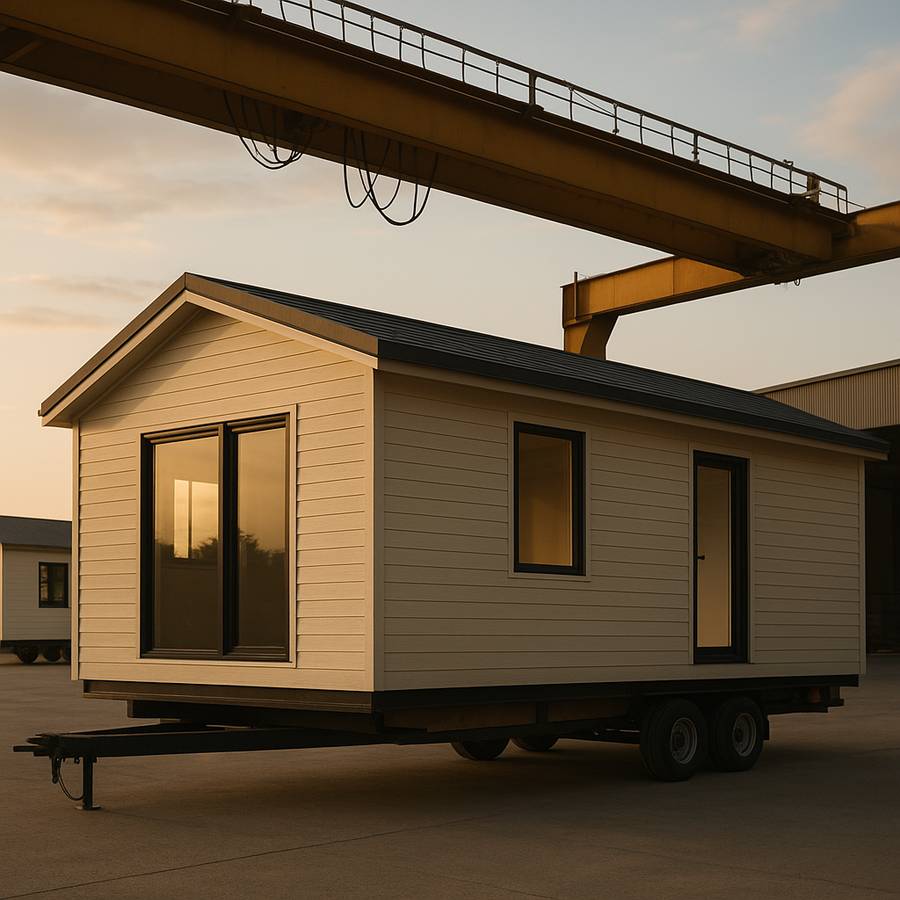
Once permits are in place, design and factory production proceed in parallel with groundwork. Factory-built modules are produced to exact specifications and shipped to site for rapid assembly.
Coordination across design, logistics and on-site teams is essential. This synchronized approach reduces waiting times and ensures the project moves steadily to completion.
Final handover and aftercare: warranties and commissioning
Turnkey delivery includes a thorough commissioning phase. Systems are tested, warranties are issued and the client receives operational manuals. Post-delivery support and maintenance plans ensure long-term performance.
Reliable aftercare builds trust and provides reassurance for autopromoters who are investing in a new life at home.
Financing and mortgage options for self-builders
Financing a modular home has specific considerations. Lenders evaluate the project's feasibility, the builder’s capacity, and the solidity of the delivery model. Modular homes can benefit from clearer budgets and timelines, which lenders favor.
Self-build mortgages: types and how they work
There are specific mortgages for self-build projects, commonly released in stages. Instead of a single loan disbursement, the lender releases funds at agreed milestones tied to construction progress.
Modular projects can simplify this process because production milestones are predictable and verifiable. Presenting a fixed-price turnkey contract strengthens the borrower’s case.
How to present a modular project to a bank
To secure finance, provide a clear project plan, fixed-price contract, production schedule and a reputable manufacturer's portfolio. Detailed cost estimates and a site feasibility report are also essential.
Showing past project examples and a robust warranty package helps gain lender confidence. If your project follows Passivhaus or other recognized standards, highlight those benefits as they reduce long-term energy costs.
Alternative financing: grants, subsidies and housing rental models
Explore regional and national incentives for energy-efficient housing. Grants or subsidies for low-carbon solutions can reduce upfront costs. Some developers also offer rental or rent-to-buy options tailored to modular homes.
Combining public incentives with a clear turnkey offer can make a modular home financially attractive and accessible to more families.
Practical tips for autopromoters choosing modular housing
Make decisions early on the plot orientation, envelope performance and the list of included finishes. Clarify responsibilities in the contract and confirm logistics plans for module delivery and on-site assembly.
Visit completed homes from the chosen manufacturer, ask for references, and verify aftercare procedures. These steps reduce risk and ensure you get a home that delivers on comfort, aesthetics and long-term value.
Connect related guides
For an in-depth look at the turnkey approach and the modular supply chain, read Vivienda modular: ventajas y guía llave en mano and Vivienda modular: ventajas y guía llave en mano. For a complete build guide focused on self-builders, see Casa prefabricada: guía completa para autopromotores, and for practical keys to modular supply chains explore Vivienda modular: ventajas y guía completa. If you need a comprehensive roadmap for autopromoters, the guide Vivienda modular: guía integral para autopromotores is a great next read.
Image description for AI generator (Findnido brand)
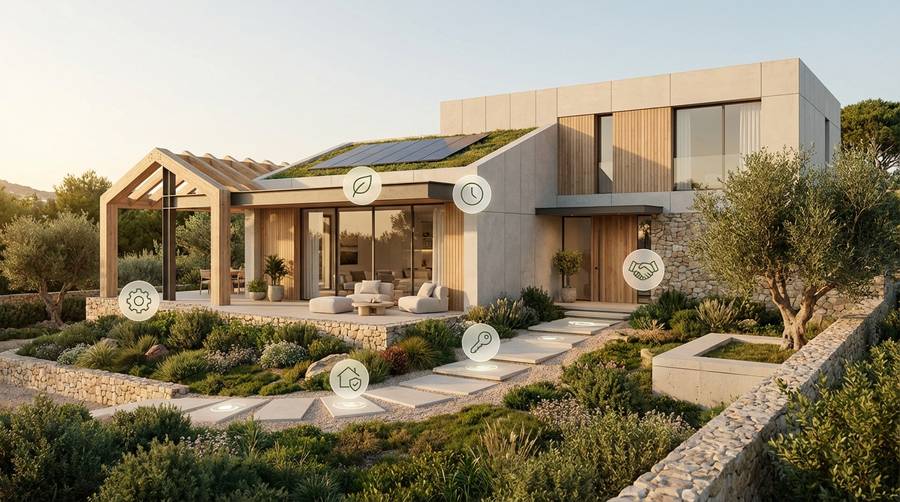
High-quality real estate photograph of a finished modular home in contemporary Mediterranean style, located in Spain. The house appears as a real, premium residence with light façades and a mix of natural materials: warm wood cladding, soft textured stone and gentle exposed concrete. Large windows and sliding glass doors allow warm golden-hour light into a terrace where a small family or couple relaxes with plants and Mediterranean landscaping. The scene conveys trust, comfort and a sustainable lifestyle. The framing resembles an architectural magazine shot: balanced composition, natural colors, soft daylight and a welcoming, lived-in feeling. Avoid showing construction details, exposed structural elements, containers or industrial settings. The image should feel aspirational but achievable, emphasizing contemporary Mediterranean architecture and Findnido’s brand identity.
Artículos relacionados
Modular Housing: Smart Alternative to Traditional Build
Modular housing offers a modern, efficient and sustainable path to homeownership for self-builders. Learn how modern materials, turnkey processes and tailored financing make modular housing a practical alternative to traditional construction in Spain.