Industrialized Housing: Common Errors and Fixes
Introduction — Hook: Why avoiding these mistakes saves months and tens of thousands
Building industrialized housing can be fast, predictable and lower carbon — but only if you avoid a handful of recurring errors. This article cuts straight to the practical failures we see most often in Spain, why they matter, and how to fix them with clear, actionable steps.
If you are an autopromoter, architect, or project manager planning a turnkey (llave en mano) industrialized home, read on for focused advice you can apply this week.
Companies that adopt strict site checks, technical specifications and micro-scheduling reduce delivery overruns by up to 40% and avoid costly rework.
Montaje exprés: why avoiding these mistakes makes the difference
Fast assembly depends on three pillars: correct preparation, precise specs, and tight logistics. When one pillar fails, delays multiply. Here’s how those failures affect outcomes.
Impact on schedule, cost and final quality
Small issues escalate quickly in modular construction. A wrong access route can force crane delays. Ambiguous materials cause on-site rework. Each incident adds days, not hours, and eats margins.
- Schedule: Micro-delay cascades extend completion time.
- Cost: Transport reroutes, extra site labor and corrective materials increase the budget.
- Quality: Rushed fixes compromise detailing, airtightness and thermal performance.
Relation with industrialized housing advantages
The core promises of industrialized housing—closed site timelines, fixed price and predictable quality—only hold when processes are disciplined. If planning or procurement is loose, you lose the very advantages that make modular methods superior to traditional builds.
What to expect from a well-managed turnkey process
A well-run turnkey project gives you:
- Clear milestone schedule with microphases for factory, transport and onsite assembly.
- Fixed-price boundaries tied to specification tiers.
- Quality gates with documented acceptances before transport.
1) Inadequate site planning: common ground failures
Many projects start with optimism and under-assessment of the plot. That creates predictable shocks.
Common mistakes in geotechnical surveys and access
- Relying on outdated or shallow geotechnical reports.
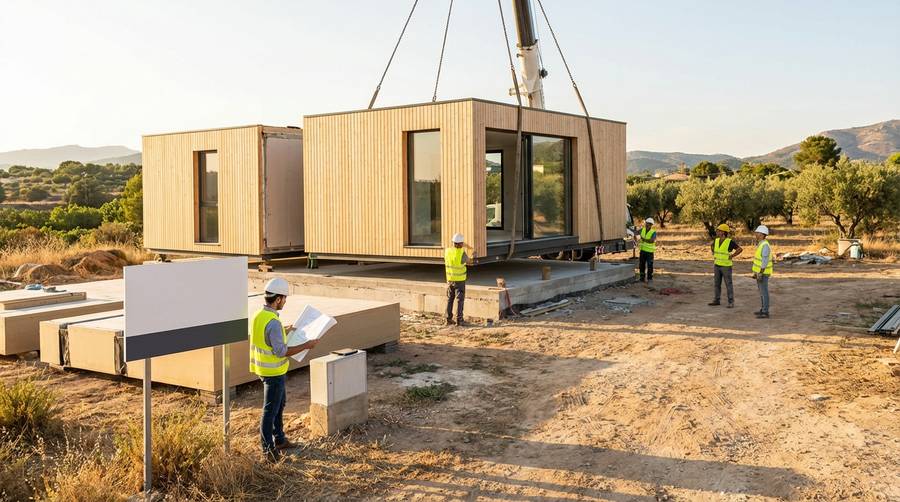
- Underestimating required crane radius, load-bearing temporary routes, or tree protection.
- Ignoring municipal access restrictions and local traffic rules for heavy transports.
Solutions: pre-signing checklist for permits and offers
Create a one-page site readiness checklist to be completed before you sign factory orders. Include:
- Validated geotechnical report (SPT/CPT depth aligned with foundation design).
- Crane lift plan with approved crane supplier and radii confirmation.
- Transport route approval from highway and municipality authorities.
- Temporary works plan for site leveling and protective measures.
Practical tip: coordinate plot, design and factory calendar
Align the land closing date, final structural project and factory production calendar. Use a shared timeline in cloud software and set a hard freeze date for factory orders. This prevents late design changes that stop production lines.
2) Ambiguous technical specifications: consequences on site
Vague specs are the number one cause of disputes and rework. When materials or tolerances are undefined, contractors fill gaps their way—often inconsistent with energy or finishing goals.
Typical problems with materials and finishes
- Unclear acceptance criteria for precast concrete finishes, cladding joints or timber frameworks.
- Mismatches in window definitions: U-values, installation depth, or flashing details.
- Incompatible interface expectations between steel frame nodes and prefabricated facades.
Solutions: clear data sheets, samples and tolerance agreements
Require an agreed technical pack before production starts. This pack must include:
- Material data sheets for each major system (concrete, timber frame, steel frame).
- Physical finish samples approved by the client.
- Tolerance matrix for dimensions and interface points between modules.
Practical tip: embed Passivhaus and energy criteria from day one
Incorporate airtightness, thermal bridge control and U-value targets into the technical pack. If you target Passivhaus-level performance, declare it in the contract and include test thresholds (n50, PSI values) as acceptance metrics.
3) Poor logistics and assembly coordination: avoidable delays
Logistics is project control in motion. Failures here create idle crews and wasted factory slots.
Causes: windows for assembly and unsynchronized suppliers
- Transport arrivals that miss the onsite crane window.
- Subcontractors arriving before utilities or foundations are complete.
- Supplier desynchronization: doors arrive after facade installation starts.
Solutions: micro-scheduling and critical-hits control
Break the assembly phase into daily micro-schedules. Define critical hits—events that cannot slip without affecting the whole program. Assign responsibility and escalation paths for each hit.
Practical tip: daily communication loop between factory, transport and site
Implement a 15-minute daily coordination call or shared status board with live updates on transports, crane availability and weather. This reduces surprises and allows corrective action before delays accumulate.
4) Inadequate quality control at key phases: rework and overruns
Quality checks done too late mean expensive corrections on site. Prefab allows pre-delivery inspections that many teams skip.
Common reception errors with modules and unions
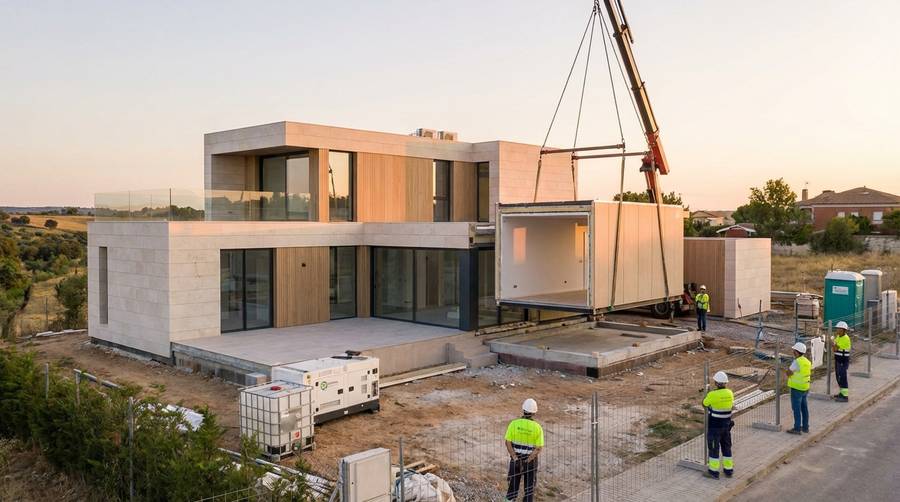
- Insufficient inspection of module interfaces and lifting points.
- Poor verification of sealant continuity and mechanical connections.
- Missing documentation for factory-applied finishes and tests.
Solutions: acceptance protocols and pre-shipment inspections
Implement a two-stage inspection:
- Factory acceptance: dimensional check, finishes, airtightness tests where possible.
- Pre-shipment photo and certificate pack attached to transport documents.
Practical tip: photographic checklists and acceptance metrics
Use a mobile checklist tool where inspectors attach timestamped photos to each acceptance item. Define pass/fail criteria quantitatively (e.g., max 2 mm gap tolerance, n50 leak rate value) to reduce subjective decisions.
5) Misaligned financing and expectations: work stoppages
Cashflow interruptions are a top cause of mid-project paralysis—especially with autopromotion mortgages.
Problems with autopromoter mortgages and payment scheduling
- Traditional mortgage tranches tied to on-site percentages, incompatible with factory production flow.
- Delays in bank releases when documents don’t match milestone statuses.
- Unexpected additional costs without budget reserves cause withholding of payments.
Solutions: financing tied to assembly milestones
Negotiate a payment plan with lenders and contractors that aligns with the factory and transport calendar. Propose milestone proof (inspection reports, photos, transport receipts) to trigger disbursements.
Practical tip: include contingency and fixed-deadline clauses
Keep a contingency reserve (typically 5–7% for modular projects) and consider contract clauses that set fixed delivery windows and compensation for unjustified delays.
6) Poor communication with the autopromoter: late decisions
Late client decisions are the invisible killer of modular schedules. Every late change risks factory rework, transport changes and cost jumps.
How scope changes affect time and quality
- Design changes post-factory freeze force recuts or on-site modifications.
- Upgrades to energy systems often require re-detailing of interfaces.
- Late finish changes lead to mismatched samples and client dissatisfaction.
Solutions: change agreements and response SLAs
Define a change control process with clear response times and cost estimates. A standard is a 48-72 hour response SLA for minor changes and a 10-day window for changes requiring design work.
Practical tip: an agile, documented decision workflow
Use a single change log where each decision records requester, date, impact estimate and approval. This keeps everyone aligned and prevents informal verbal approvals from derailing production.
Practical close: checklist to avoid surprises in express assemblies
Immediate actions before assembly
- Complete geotechnical verification and crane lift plan.
- Approve the technical pack and physical samples.
- Sign a financing schedule linked to clearly defined milestones.
- Freeze factory orders and confirm transport permits.
Key indicators to monitor during microphases
- Time: days slipped vs baseline per microphase.
- Cost: cumulative contingency draw and change orders value.
- Quality: acceptance rate at factory and onsite inspections.
Resources and templates for autopromoters in Spain
Use ready-made templates for factory acceptance, crane lift plans and financing milestone proofs. If you want a practical case study of turnkey delivery with micro-schedules and reduced footprint, see this real example: Vivienda industrializada: Caso real de entrega llave en mano.
Conclusion — Final warning and call to action
Industrialized housing delivers speed, cost control and sustainability when processes are enforced. The most common failures are avoidable with simple, disciplined measures: site verification, clear specs, micro-scheduling, rigorous QC and financing aligned to milestones.
If you are planning a turnkey industrialized home, adopt the checklists above before you sign the first factory order. Small steps now prevent large overruns later.
Want help applying these checklists to your plot or project? Contact a specialist who understands factory cycles and Spanish autopromotion financing to review your plan and reduce risk.
Artículos relacionados