


Industrialized Housing: Common Errors and How to Fix Them
Why large-scale energy rehabilitation matters now
Hook: Spain faces strict efficiency targets and rising energy costs—doing nothing is no longer an option.
Large-scale energy rehabilitation of existing housing stock and new industrialized homes is the fastest path to lower emissions, predictable costs and better comfort. For self-builders and developers, the shift to industrialized construction and modular systems is an opportunity, not just a trend.
National context: efficiency targets and emissions reduction in Spain 2026
Spain’s regulations and funding programs increasingly favor energy-efficient buildings. Grants and incentives prioritize homes with measurable reductions in consumption and carbon footprint. Ignoring this context risks missing subsidies and facing future retrofit costs.
Benefits for homeowners and communities: savings, comfort and value
- Lower operating costs: Better envelopes and systems cut energy bills and provide predictable running costs.
- Increased property value: Energy-efficient and industrialized homes sell faster and command higher prices.
- Improved comfort and health: Stable indoor temperatures and better air quality reduce sick days.
Risks of ignoring energy rehab: future costs and regulatory exposure
Delaying action can lead to higher retrofit bills and limited access to green financing. Some local regulations already penalize low-efficiency dwellings via taxes or reduced permitting flexibility.
Acting early on energy performance preserves capital, secures finance options and prevents costly retrofits later.
Error 1: Planning without a turnkey, integrated approach
Problem: Fragmented planning causes delays, rework and higher costs.
Consequence: poor coordination between plot, design and delivery
When land acquisition, architecture and construction are handled separately, timelines slip. Interfaces between suppliers create hidden work and scope gaps. For modular and industrialized projects, those gaps are expensive.
Practical solution: engage integrated turnkey providers
Choose providers who manage the whole process: site assessment, permits, design, manufacture, assembly and final delivery. A true turnkey contract should include a fixed schedule, milestones and penalties for missed dates.
Checklist to evaluate turnkey offers for industrialized housing
- Does the offer include site feasibility and geotechnical study?
- Is there a single contract covering design, manufacture and assembly?
- Are delivery dates fixed and linked to payments?
- Does the price include finishes and connections (water, electricity, sewer)?
- Are warranties for structure and systems clearly stated?
Error 2: Underestimating material and system choice
Problem: Picking materials by headline price often sacrifices long-term performance.
Common pitfall: choosing the cheapest option
Low initial cost can mask higher lifecycle expenses. Poor thermal performance increases energy bills. Low durability causes maintenance costs and added carbon from repairs.
Solution: compare concrete, steel frame and light timber with clear metrics
Assess systems using concrete performance, assembly speed and embodied carbon. Compare steel frame for speed and stiffness, light timber for low embodied carbon and comfort, and industrial concrete for fire resistance and acoustic performance.
Practical indicators to evaluate
- Thermal transmittance (U-value): lower is better for insulation.
- Passivhaus metrics (PH, n50): infiltration and heating demand targets.
- Embodied carbon (kgCO2e/m2): life-cycle footprint.
- Assembly time (days per module/m2): real onsite duration.
- Guaranteed lifespan: expected maintenance intervals and warranty scope.
Request performance data and independent test reports. Avoid vague claims like “high performance” without numbers.
Error 3: Overlooking energy certification and Passivhaus criteria
Problem: Skipping certification risks losing efficiency, subsidies and favorable financing.
Impact: less efficiency and limited access to grants or green mortgages
Many subsidies and low-interest green mortgages require clear certification. Without it, homeowners may not qualify for the best financing or tax incentives.
Solution: embed thermal audits and Passivhaus principles early
Start with a thermal audit and airtightness targets. Use certified professionals for PHPP modelling if aiming for Passivhaus or near-Passivhaus levels. Integrate ventilation, insulation and shading strategies from design stage.
Steps to obtain certifications and required documentation in Spain
- Pre-design thermal study and energy model (PHPP or dynamic simulation).
- Airtightness testing plan (blower-door) and targets stated in contract.
- Construction quality control records and installation photos.
- Final energy certificate (Certificado de Eficiencia Energética) and any third-party verification.
Error 4: Poor financial management and autopromotion financing
Problem: Weak financial planning leads to overruns and stalled projects.
Consequence: cost overruns, stoppages and mortgage renegotiations
Industrialized projects can still face cashflow stress. Unclear payment schedules or unexpected site costs force owners to renegotiate loans or pause construction.
Solution: use financing models tailored to modular self-builds
Seek lenders familiar with turnkey industrialized housing. Options include construction-to-permanent loans, staged disbursements tied to assembly milestones, and specific autopromotion mortgages.
How to prepare a bank-ready financial dossier (practical checklist)
- Complete turnkey contract with fixed price and timeline.
- Detailed cost breakdown: land, works, connections, VAT and contingencies.
- Cashflow plan by month and payment milestones.
- Technical appendices: plans, energy model, permits and timeline.
- Risk mitigation: insurance, retention clauses and warranties.
Compare offers not only by interest rate but by disbursement flexibility and understanding of modular workflow. In 2026, many banks offer specific products for self-builders, including green mortgage discounts when the home meets high-efficiency standards.
Practical close: steps to avoid mistakes and secure a successful energy rehabilitation
Actionable pre-contract checklist (plot, team, financing, certifications)
- Plot due diligence: check access, utilities and local zoning constraints.
- Team selection: choose a single turnkey provider or a tightly integrated team.
- Financial readiness: assemble a bank dossier and confirm staged funding.
- Energy targets: set performance goals and include them in contracts.
- Quality control: require factory QA records and onsite acceptance tests.
Brief case study: industrialized energy rehabilitation with measurable metrics
Project: A semi-detached block of 12 homes converted using prefabricated facade panels and rooftop systems.
- Timeline: 8-week factory production; 3-week onsite envelope replacement; total project 5 months from contract to delivery.
- Cost: 18% lower than a comparable in-situ retrofit when considering shorter downtime and fixed pricing.
- Energy performance: average heating demand reduced by 72% across units; achieved energy class A.
- Resident satisfaction: post-occupancy survey averaged 4.6/5 for thermal comfort and noise reduction.
Key lessons: fixed schedules reduced relocation costs for residents. Factory QA cut onsite defects. Clear energy targets unlocked regional subsidy and reduced finance costs.
Recommended next steps for self-builders
- Request a turnkey quote that includes performance guarantees.
- Run an early energy model to inform material choices and financing.
- Prepare a bank dossier and seek lenders that understand modular construction.
- Contact integrated platforms to compare systems and timelines.
For a practical guide to measuring savings in energy rehabilitation, see Rehabilitación energética masiva: guía práctica 2026.
Image brief for Findnido AI generator
Main visual description adapted to the Findnido brand
High-quality architectural photograph of a finished Mediterranean-contemporary home in Spain. The house should reflect industrialized construction executed to premium standards: light-colored façade, natural materials like timber cladding, stone accents and polished concrete details. Large windows with warm golden-hour light stream into visible living spaces. Surroundings must show a real residential setting: a landscaped garden with native Mediterranean plants, a terrace with modest outdoor furniture and a subtle human touch (a bicycle leaning against a wall, potted plants, a towel on the line). Avoid any exposed construction elements or modular joints. Include discreet solar panels integrated into the roof. The scene must evoke trust, sustainability and everyday comfort, photographed in a real-estate magazine style with balanced composition, natural colors and soft daylight.
Conclusion
Summary: Avoiding the common errors outlined here—fragmented planning, poor material choices, skipping certifications and weak financing—makes industrialized housing projects predictable and successful. Use integrated turnkey approaches, demand measurable performance data, and prepare bank-ready documentation.
If you are planning an industrialized or modular home, start with a clear energy target and a turnkey offer that includes warranties and fixed milestones. For tailored advice or to discuss a specific plot or financing option, contact an integrated platform that specializes in industrialized housing.
Call to action: Reflect on your next step: review your contract for performance guarantees, or reach out to a specialist to lock in schedule, price and energy goals.
Artículos relacionados

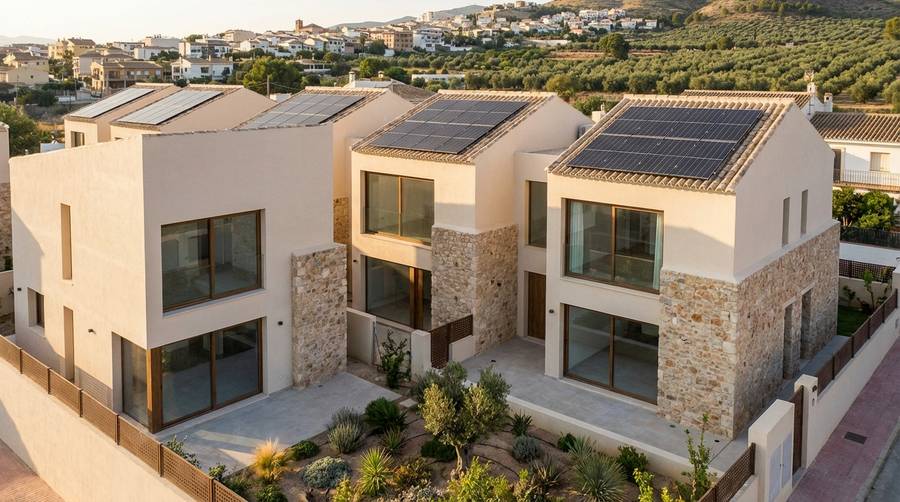
Industrialized Housing Success: Scalable Energy Renovation
A real Spanish pilot transformed a tired neighborhood into a reference in energy renovation using industrialized housing. This case study breaks down decisions, materials, timelines, measurable results and a practical guide for autopromoters in 2026.
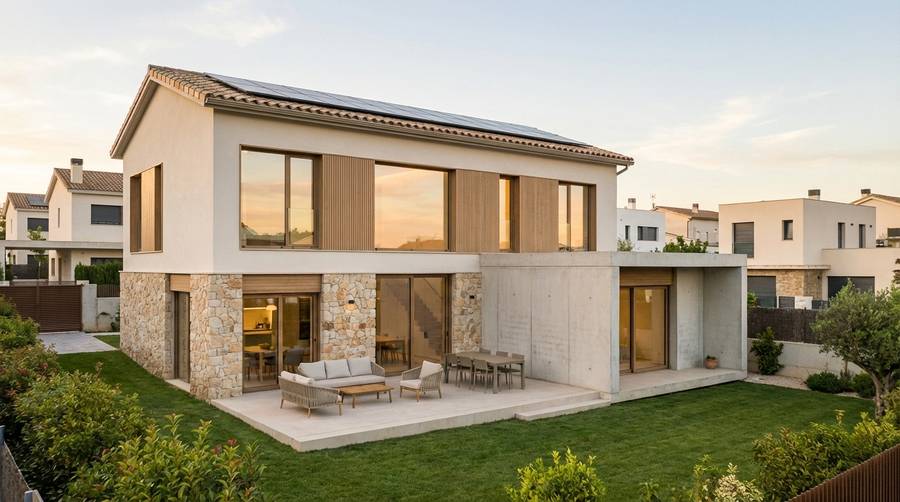
Industrialized Housing: Complete Guide for Spain 2026
A practical, step-by-step guide for self-builders and developers in Spain who want to adopt industrialized housing. Learn materials, energy strategies, turnkey workflows, financing options and real-case metrics to plan successful modular and prefabricated projects in 2026.