

Prefab 3D printing houses
Explore the innovation of 3D printed homes at Findnido. Discover how this technology is changing home building.



What a 3D-printed house is like
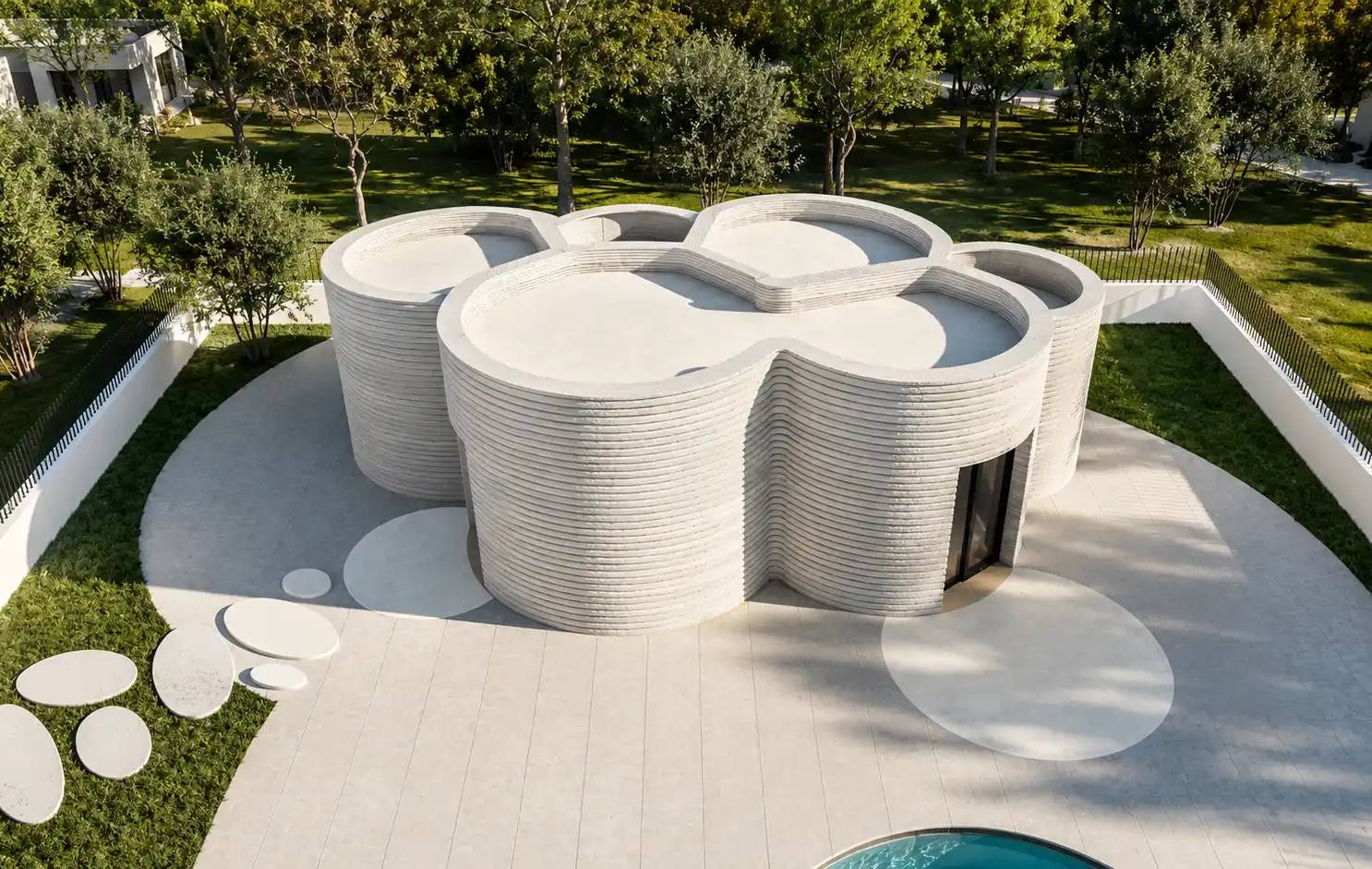
In a 3D-printed house, a large-format printer is set up on the plot itself and builds the walls layer by layer with a special mortar, following the digital design of the home. Then the roof, windows and doors, services and finishes are completed, as in any house.
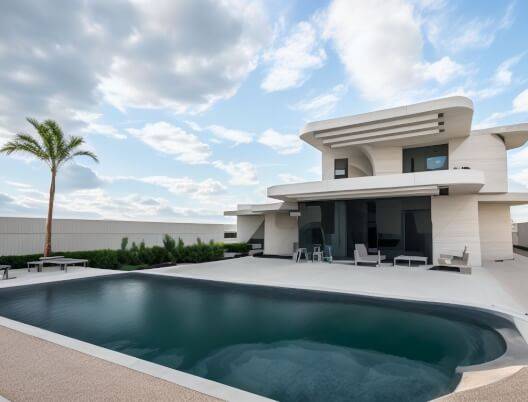
Because it is printed on site, there are no walls to make elsewhere or transport, and only the material needed is used, so it produces less waste. The walls can take curved shapes that would be expensive with other systems and add mass, like concrete. It is the newest technology in the catalogue.
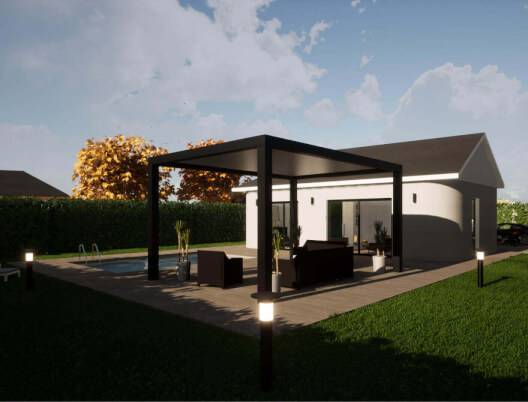
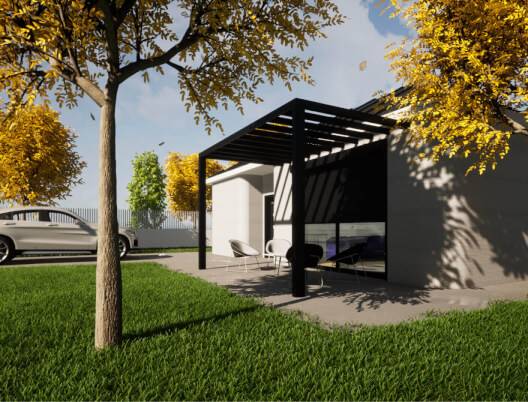
The models on this page can be built with 3D printing. In the configurator you choose the technology together with the size and finishes, and you see the exact price as you choose.
Frequently asked questions
The average turnkey delivery time is 6 months from the moment the building permit is granted. The walls are printed on the plot itself, and that time covers the whole build, not just the printing.
Yes, the same as any home. It complies with the Spanish Building Code (CTE), the Building Act (LOE) and the local planning rules of the municipality, which grants the permit. FindNido drafts and certifies the project and handles the permit for you.
Yes. It complies with the same Spanish Building Code as any home, with its structural calculation in the project, and FindNido manages the build until handover. Homes are delivered with an A+ energy rating and a 10-year structural warranty.
The way the walls go up changes, not the design: most models are offered in several technologies. 3D printing builds the walls layer by layer and allows curved shapes. Concrete adds thermal mass, steel is light and quick to assemble, and wood brings warmth and a renewable material. You can compare them in the configurator with the same model.